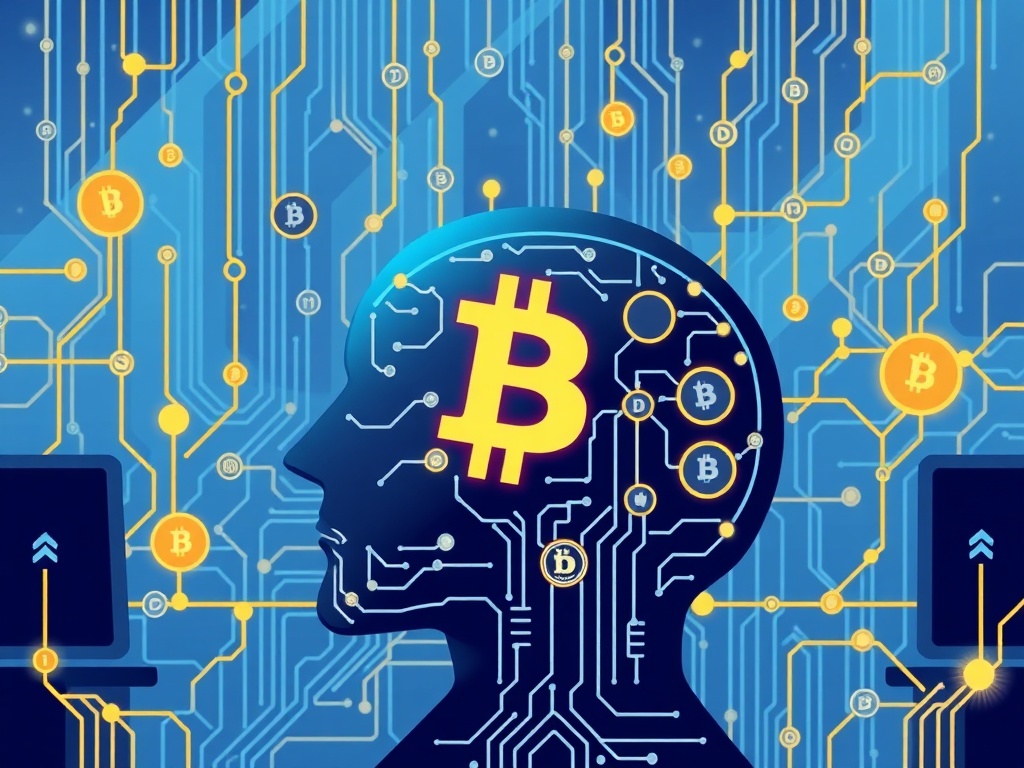
The convergence of machine learning blockchain technologies represents one of the most transformative developments in modern computing. As organizations grapple with increasingly complex data challenges, the integration of these two powerful technologies offers unprecedented opportunities for enhanced security, improved decision-making, and innovative applications across industries.
The Foundation of Machine Learning Blockchain Integration
Machine learning blockchain integration combines the predictive power of artificial intelligence with the immutable security of distributed ledger technology. This powerful combination creates systems that can not only process and analyze vast amounts of data but also ensure that the results are tamper-proof and verifiable.
Core Components of the Integration
The integration relies on several key components working in harmony. Smart contracts provide the framework for automated execution of machine learning models, while consensus mechanisms ensure data integrity. The decentralized nature of blockchain provides the perfect infrastructure for distributed machine learning algorithms to operate securely across multiple nodes.
Applications in Financial Services
The financial sector has been at the forefront of adopting machine learning blockchain solutions. Banks and financial institutions leverage this technology to detect fraudulent transactions, assess credit risk, and automate compliance processes.
Fraud Detection and Prevention
Machine learning algorithms analyze transaction patterns in real-time, identifying anomalies that may indicate fraudulent activity. When combined with blockchain's immutable record-keeping, these systems create an audit trail that is both comprehensive and tamper-resistant. This dual approach significantly reduces false positives while improving detection rates.
Algorithmic Trading Enhancement
Trading platforms utilize machine learning blockchain technology to execute trades based on complex market analysis while maintaining transparent records of all transactions. The blockchain component ensures that trading algorithms operate within predefined parameters and that all trades are verifiable and traceable.
Supply Chain Optimization
Supply chain management represents another area where machine learning blockchain integration delivers substantial benefits. The technology enables real-time tracking of goods, predictive maintenance of logistics infrastructure, and automated quality control processes.
Predictive Analytics for Inventory Management
Machine learning models analyze historical data and current market trends to predict demand fluctuations. When this capability is combined with blockchain's transparent tracking system, companies can optimize inventory levels, reduce waste, and improve customer satisfaction through better product availability.
Quality Assurance and Compliance
Blockchain's immutable record-keeping ensures that quality control data cannot be altered, while machine learning algorithms can identify patterns that indicate potential quality issues before they become critical. This proactive approach to quality management helps companies maintain compliance with regulatory requirements and industry standards.
Healthcare Applications
The healthcare industry benefits significantly from machine learning blockchain integration, particularly in areas such as patient data management, drug traceability, and medical research.
Secure Patient Data Management
Healthcare providers use blockchain to create secure, decentralized repositories of patient information. Machine learning algorithms can then analyze this data to identify health trends, predict disease outbreaks, and personalize treatment plans while maintaining patient privacy and data security.
Clinical Trial Optimization
Machine learning blockchain systems streamline clinical trial processes by automating patient selection, monitoring trial progress, and ensuring data integrity. The blockchain component provides an immutable record of all trial activities, enhancing transparency and regulatory compliance.
Technical Implementation Considerations
Implementing machine learning blockchain solutions requires careful consideration of several technical factors to ensure optimal performance and security.
Scalability Challenges
One of the primary challenges in machine learning blockchain implementation is scalability. Machine learning models often require significant computational resources, while blockchain networks must maintain performance as they grow. Solutions include off-chain computation, layer-two scaling solutions, and optimized consensus mechanisms.
Privacy and Security Measures
Protecting sensitive data while enabling machine learning analysis requires sophisticated privacy-preserving techniques. Zero-knowledge proofs, homomorphic encryption, and secure multi-party computation are among the technologies used to balance analytical capabilities with privacy requirements.
Future Trends and Developments
The field of machine learning blockchain continues to evolve rapidly, with several emerging trends shaping its future development and adoption.
Decentralized Autonomous Organizations
DAOs represent a significant evolution in organizational structure, enabled by machine learning blockchain technology. These organizations use smart contracts and machine learning algorithms to automate decision-making processes, manage resources, and coordinate activities without centralized control.
Interoperability Solutions
As multiple blockchain platforms emerge, interoperability becomes increasingly important. Machine learning algorithms are being developed to facilitate seamless communication between different blockchain networks, enabling more complex and powerful applications.
Challenges and Limitations
Despite its potential, machine learning blockchain technology faces several challenges that must be addressed for widespread adoption.
Technical Complexity
The integration of machine learning and blockchain technologies requires specialized expertise that is currently in short supply. Organizations must invest in training and development to build the necessary capabilities in-house.
Regulatory Uncertainty
The regulatory landscape for machine learning blockchain applications remains uncertain in many jurisdictions. Organizations must navigate complex compliance requirements while advocating for clear regulatory frameworks that enable innovation while protecting stakeholders.
Best Practices for Implementation
Organizations considering machine learning blockchain implementation should follow established best practices to maximize success and minimize risks.
Phased Implementation Approach
Starting with pilot projects allows organizations to test concepts, identify challenges, and refine approaches before full-scale deployment. This iterative approach reduces risk and enables continuous improvement.
Cross-functional Team Development
Successful implementation requires collaboration between data scientists, blockchain developers, domain experts, and business stakeholders. Building cross-functional teams ensures that technical solutions align with business objectives and user needs.
Conclusion
The integration of machine learning blockchain technologies represents a significant advancement in how organizations process, analyze, and secure data. While challenges remain, the potential benefits in terms of improved efficiency, enhanced security, and innovative capabilities make this an area of technology worth watching and investing in.
As the technology continues to mature and new applications emerge, organizations that successfully implement machine learning blockchain solutions will likely gain significant competitive advantages. The key to success lies in understanding both the technical capabilities and the practical limitations of these technologies while maintaining focus on delivering real business value.

Machine Learning Blockchain: Bridging Data Intelligence and Decentralized Systems
As a Blockchain Research Director with extensive experience in distributed ledger technology, I've witnessed firsthand how machine learning blockchain integration is revolutionizing the way we approach data analysis and decision-making in decentralized networks. The convergence of these two powerful technologies creates unprecedented opportunities for enhancing blockchain security, optimizing consensus mechanisms, and enabling more sophisticated smart contract functionality. By leveraging machine learning algorithms, blockchain networks can now predict potential security threats, identify fraudulent transactions, and optimize resource allocation in real-time, making the entire ecosystem more robust and efficient.
In my work with various blockchain projects, I've observed that machine learning blockchain applications are particularly transformative in the realm of smart contract security. Traditional static analysis methods are being augmented with dynamic machine learning models that can detect anomalous patterns and potential vulnerabilities before they're exploited. This proactive approach to security is crucial as blockchain networks continue to scale and handle increasingly complex transactions. Furthermore, the integration of machine learning enables more sophisticated tokenomics models, allowing for adaptive fee structures and automated market-making mechanisms that respond to network conditions in real-time.
The future of machine learning blockchain technology lies in its ability to create truly autonomous and self-optimizing decentralized systems. As we continue to push the boundaries of what's possible with distributed ledger technology, the synergy between machine learning and blockchain will become increasingly critical. From enhancing cross-chain interoperability to enabling more efficient consensus mechanisms, this integration is not just a technological advancement but a fundamental shift in how we approach decentralized systems. As we move forward, it's essential to focus on developing robust frameworks that can effectively harness the power of both technologies while maintaining the core principles of decentralization and security that make blockchain so valuable.