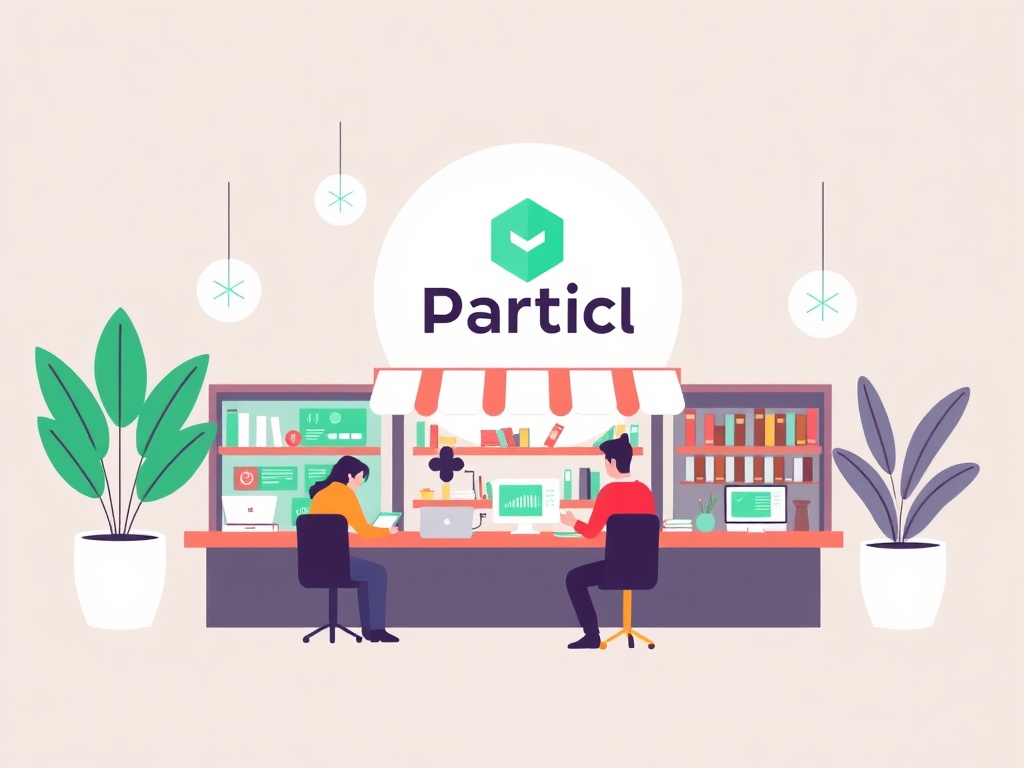
The Particl private marketplace represents a groundbreaking approach to online commerce that prioritizes user privacy, decentralization, and freedom from traditional marketplace restrictions. Built on blockchain technology, this innovative platform offers buyers and sellers a truly private shopping experience without intermediaries taking hefty commissions or collecting personal data.
How the Particl Private Marketplace Works
At its core, the Particl private marketplace operates as a decentralized application (dApp) running on the Particl blockchain. Unlike conventional e-commerce platforms like Amazon or eBay, this marketplace eliminates the need for a central authority to facilitate transactions, store data, or enforce rules.
Blockchain Foundation
The marketplace leverages the security and transparency of blockchain technology while maintaining user anonymity. Every transaction is recorded on the blockchain, but unlike traditional systems, no personal information is attached to these records. This creates an immutable transaction history without compromising privacy.
Native Currency and Transactions
Particl uses its native cryptocurrency (PART) for all transactions within the marketplace. This eliminates the need for traditional payment processors and their associated fees. Sellers receive payments directly, and buyers can complete purchases without exposing their financial information to third parties.
Key Features of the Particl Private Marketplace
The Particl private marketplace distinguishes itself through several innovative features designed to protect user privacy and enhance the shopping experience.
Privacy by Default
Privacy isn't just an option on Particl—it's the default setting. All communications between buyers and sellers are encrypted, and no personal data is required to create an account or complete transactions. This stands in stark contrast to traditional marketplaces that collect extensive user data for marketing and analytics purposes.
Decentralized Governance
The marketplace operates under a decentralized governance model where PART token holders can vote on platform changes, fee structures, and policy updates. This democratic approach ensures the community shapes the platform's future rather than a corporate board of directors.
Low Transaction Fees
Without intermediaries taking their cut, transaction fees on the Particl private marketplace are significantly lower than traditional platforms. Sellers typically pay around 0-2% in fees compared to the 10-15% common on mainstream marketplaces, allowing them to offer more competitive prices.
Benefits for Buyers and Sellers
The Particl private marketplace offers distinct advantages for both sides of the transaction, creating a more equitable e-commerce ecosystem.
Advantages for Sellers
Sellers benefit from complete control over their storefronts, direct customer relationships, and the ability to sell products that might be restricted on other platforms. They also retain 100% of their customer data and can build their brand without platform-imposed limitations.
Advantages for Buyers
Buyers enjoy enhanced privacy, potentially lower prices due to reduced fees, and access to unique products from sellers who might not otherwise participate in e-commerce. The escrow system also provides protection against fraud without requiring personal information disclosure.
Security and Trust Mechanisms
While the Particl private marketplace emphasizes privacy, it doesn't sacrifice security or trust. The platform implements several mechanisms to ensure safe transactions.
Escrow System
All transactions use a smart contract-based escrow system that holds funds until both parties confirm satisfaction with the exchange. This protects both buyers and sellers from potential fraud without requiring personal information.
Reputation System
Rather than collecting personal data, the marketplace uses a sophisticated reputation system based on transaction history and behavior. This allows users to make informed decisions about who they transact with while maintaining anonymity.
Comparison with Traditional Marketplaces
The Particl private marketplace offers a fundamentally different approach to e-commerce compared to traditional platforms.
Privacy Comparison
Traditional marketplaces collect extensive user data including browsing history, purchase patterns, and personal information. The Particl marketplace collects none of this information, offering true privacy by design.
Fee Structure
Where Amazon, eBay, and similar platforms charge 10-15% plus additional payment processing fees, the Particl marketplace's decentralized structure allows for dramatically lower fees, typically under 2% total.
Content Restrictions
Traditional platforms enforce strict content policies that can limit what sellers offer. The Particl private marketplace allows legal products without corporate censorship, though illegal activities remain prohibited through community governance.
Getting Started with Particl
Joining the Particl private marketplace is straightforward for those familiar with cryptocurrency.
Setting Up a Wallet
Users need a Particl-compatible wallet to participate. The official Particl wallet is available for desktop platforms and supports both basic and advanced features for different user experience levels.
Acquiring PART Tokens
PART tokens can be purchased on various cryptocurrency exchanges or earned through participation in the Particl ecosystem. These tokens are necessary for transactions and governance participation.
Navigating the Marketplace
The marketplace interface resembles traditional e-commerce platforms but with enhanced privacy features. Users can browse listings, communicate with sellers through encrypted messaging, and complete purchases without creating accounts or providing personal information.
Challenges and Considerations
While the Particl private marketplace offers numerous advantages, potential users should consider several factors.
Learning Curve
The cryptocurrency-based system presents a learning curve for those unfamiliar with blockchain technology. Users must understand wallet management, transaction fees, and basic security practices.
Limited Adoption
As a newer platform, the marketplace has fewer active users and listings compared to established marketplaces. This can limit product selection and buyer traffic for sellers.
Regulatory Uncertainty
The decentralized nature of the platform exists in a regulatory gray area in many jurisdictions. Users should understand their local laws regarding cryptocurrency and online commerce before participating.
The Future of Decentralized Commerce
The Particl private marketplace represents an important step toward a more private, equitable e-commerce ecosystem. As blockchain technology matures and user awareness grows, platforms like Particl could fundamentally reshape how we think about online commerce.
Potential Developments
Future developments may include enhanced mobile experiences, integration with additional cryptocurrencies, improved scaling solutions, and expanded community features. The decentralized governance model ensures

Particl Private Marketplace: A Privacy-First Approach to Decentralized Commerce
As a DeFi and Web3 analyst, I've been closely monitoring Particl's development as a decentralized marketplace that prioritizes user privacy. What sets Particl apart from other blockchain-based marketplaces is its commitment to truly private transactions without compromising on functionality. The platform leverages Confidential Transactions and RingCT technology to ensure that both buyers and sellers can transact without exposing sensitive information like purchase history, pricing details, or shipping information to the public blockchain.
From a practical standpoint, Particl's approach to marketplace governance through its native PART token creates an interesting dynamic for participants. The platform operates as a decentralized autonomous organization (DAO), allowing token holders to vote on marketplace policies, feature implementations, and fee structures. This governance model aligns with the broader Web3 ethos of community ownership and control. However, I believe the platform's success will largely depend on its ability to attract both buyers and sellers to create a vibrant ecosystem. The privacy features, while technically impressive, must be balanced with user experience considerations to ensure mainstream adoption. For DeFi enthusiasts and privacy-conscious consumers, Particl represents a compelling alternative to centralized marketplaces that monetize user data, though the platform still faces the classic chicken-and-egg challenge of building liquidity in a decentralized marketplace environment.