In today's digital age, privacy has become a paramount concern for many individuals engaging in online transactions. As cryptocurrencies like Bitcoin gain mainstream adoption, the need to pay with bitcoin anonymously has grown significantly. This comprehensive guide explores the methods, tools, and best practices for maintaining your privacy when using Bitcoin for payments.
Understanding Bitcoin Privacy Fundamentals
How Bitcoin Transactions Work
Bitcoin operates on a public ledger called the blockchain, where all transactions are recorded and visible to anyone. While Bitcoin addresses aren't directly tied to personal identities, sophisticated analysis techniques can potentially link addresses to real-world identities. This transparency creates privacy challenges for users who wish to pay with bitcoin anonymously.
Common Privacy Misconceptions
Many users mistakenly believe that Bitcoin is completely anonymous. In reality, Bitcoin is pseudonymous—transactions are linked to addresses rather than names, but these addresses can be traced. Understanding this distinction is crucial for anyone seeking to maintain privacy in their Bitcoin transactions.
Methods to Pay with Bitcoin Anonymously
Using Bitcoin Mixers and Tumblers
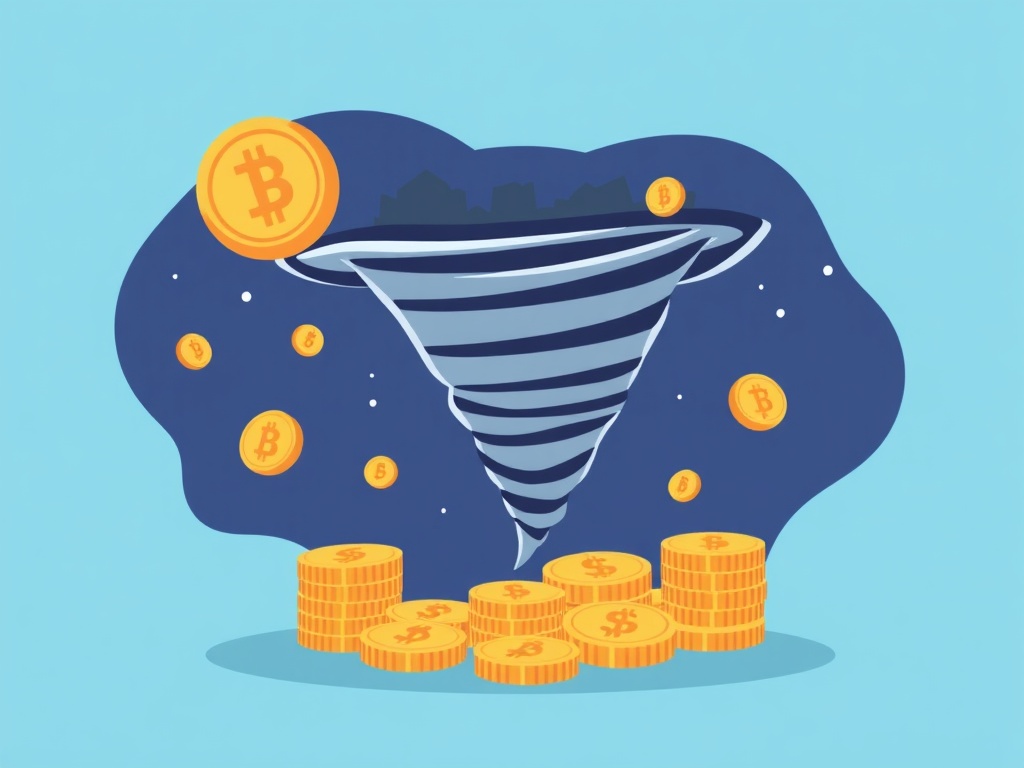
Bitcoin mixers, also known as tumblers, are services that combine your bitcoins with those of other users, making it difficult to trace the origin of funds. These services break the link between your original address and the destination address, providing an additional layer of privacy when you pay with bitcoin anonymously.
When selecting a mixer, consider factors such as reputation, fees, and the mixing process duration. Reputable mixers employ advanced algorithms to ensure that your coins are thoroughly mixed with others, making blockchain analysis significantly more challenging.
Utilizing Privacy-Focused Wallets
Several Bitcoin wallets are specifically designed with privacy in mind. These wallets implement features like CoinJoin, which combines multiple transactions into one, making it harder to determine which inputs correspond to which outputs. Wallets such as Wasabi and Samourai offer built-in privacy features that facilitate anonymous payments.
Employing VPN and Tor Networks
Using a Virtual Private Network (VPN) or the Tor network when making Bitcoin transactions adds another layer of anonymity. These tools mask your IP address, preventing potential surveillance of your online activities. When combined with other privacy measures, VPNs and Tor can significantly enhance your ability to pay with bitcoin anonymously.
Best Practices for Anonymous Bitcoin Payments
Creating New Addresses for Each Transaction
One of the simplest yet most effective practices is to generate a new Bitcoin address for each transaction. This approach, known as address reuse avoidance, prevents the linking of multiple transactions to a single address, thereby enhancing your privacy when you pay with bitcoin anonymously.
Using Peer-to-Peer Exchanges
Peer-to-peer (P2P) exchanges allow you to buy and sell Bitcoin directly with other individuals, often without requiring extensive personal information. Platforms like LocalBitcoins and Paxful facilitate these transactions, providing an avenue for acquiring Bitcoin without going through centralized exchanges that typically require identity verification.
Implementing Coin Control Features
Advanced Bitcoin wallets offer coin control features, allowing you to select which unspent transaction outputs (UTXOs) to use in a transaction. This granular control enables you to avoid using coins that might be linked to your identity, further enhancing your privacy when you pay with bitcoin anonymously.
Challenges and Considerations
Legal and Regulatory Implications
While seeking privacy in financial transactions is legitimate, it's essential to be aware of the legal landscape surrounding anonymous Bitcoin payments. Different jurisdictions have varying regulations regarding cryptocurrency use, and some may view certain privacy-enhancing techniques with suspicion. Always ensure compliance with local laws when attempting to pay with bitcoin anonymously.
Technical Limitations and Risks
Maintaining complete anonymity with Bitcoin is challenging due to the public nature of the blockchain. Even with mixers and privacy wallets, sophisticated analysis techniques can potentially deanonymize transactions. Additionally, using unreliable mixing services or wallets can expose you to security risks, including the loss of funds.
Balancing Privacy and Convenience
Achieving a high level of anonymity often requires additional steps and may reduce convenience. Users must weigh the importance of privacy against the ease of use when deciding how to pay with bitcoin anonymously. In some cases, a moderate level of privacy may be sufficient for everyday transactions.
Future of Bitcoin Privacy
Emerging Technologies and Protocols
The Bitcoin ecosystem continues to evolve, with new technologies and protocols aimed at enhancing privacy. Innovations such as Taproot, which improves transaction privacy by making complex transactions indistinguishable from simple ones, show promise for the future of anonymous Bitcoin payments.
Decentralized Finance and Privacy
The rise of decentralized finance (DeFi) platforms built on Bitcoin and other blockchains may offer new avenues for private transactions. These platforms often incorporate privacy features and smart contracts that can facilitate anonymous payments without relying on centralized intermediaries.
Conclusion
Maintaining privacy when using Bitcoin for payments requires a combination of tools, techniques, and best practices. By understanding the fundamentals of Bitcoin privacy, utilizing mixers and privacy-focused wallets, and following recommended practices, you can significantly enhance your ability to pay with bitcoin anonymously. However, it's crucial to remain aware of the challenges, legal considerations, and evolving landscape of cryptocurrency privacy. As technology advances, new solutions will likely emerge, offering even greater privacy for Bitcoin users seeking to protect their financial information.

Pay with Bitcoin Anonymously: A DeFi Analyst's Perspective
As a DeFi and Web3 analyst, I've observed that the desire to pay with bitcoin anonymously stems from legitimate privacy concerns in our increasingly surveilled digital economy. While Bitcoin's blockchain is inherently transparent, several methods exist to enhance transactional privacy. Coin mixing services, also known as tumblers, can obscure the trail between sender and receiver by pooling multiple transactions together. Additionally, privacy-focused wallets like Wasabi and Samourai offer built-in CoinJoin functionality that makes it significantly harder to trace individual payments.
However, I must emphasize that achieving true anonymity when you pay with bitcoin anonymously requires a multi-layered approach. This includes using the Tor network or VPNs to mask your IP address, generating new wallet addresses for each transaction, and carefully managing your on-chain and off-chain activities. It's worth noting that while these techniques can substantially increase privacy, they don't guarantee complete anonymity. Regulatory frameworks continue to evolve, and users should be aware of their local laws regarding cryptocurrency transactions. The most prudent approach is to balance privacy needs with compliance requirements, using privacy-enhancing tools judiciously while maintaining proper documentation for legitimate purposes.