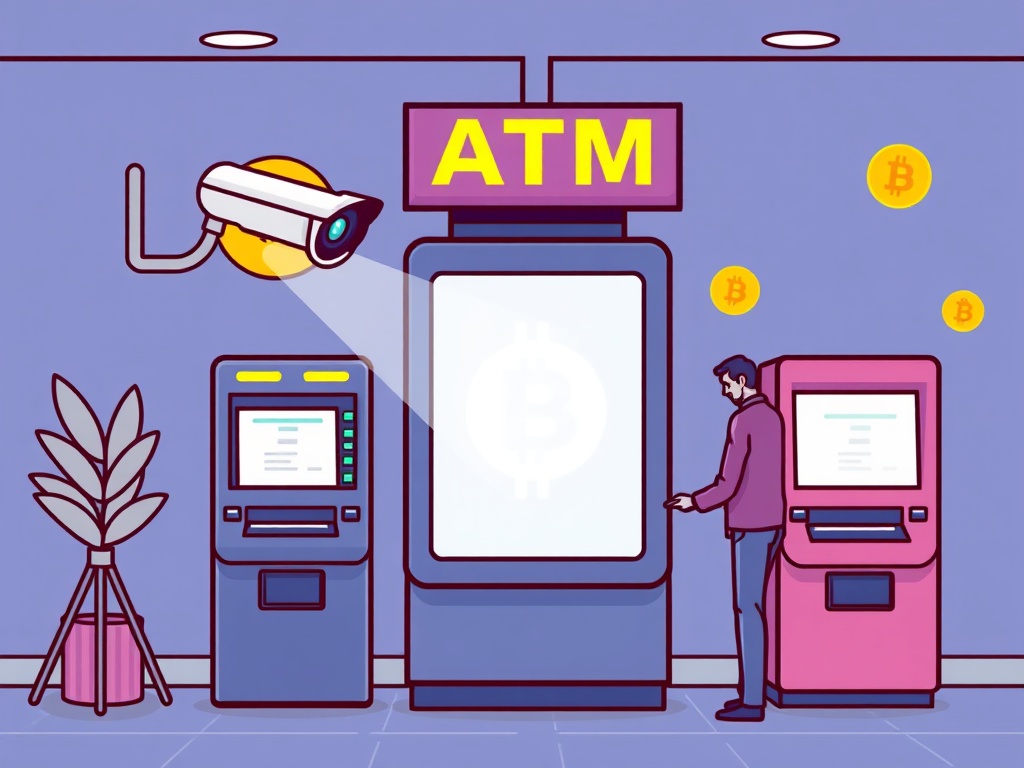
In the rapidly evolving world of cryptocurrency, security remains a paramount concern for users and operators alike. One often overlooked aspect of this security is the need to scan for cameras at a crypto ATM. While crypto ATMs offer convenience, they can also be vulnerable to surveillance, theft, or even malicious activity. Understanding how to effectively scan for cameras at a crypto ATM is not just a technical task—it’s a proactive measure to safeguard assets and personal information. This article explores the importance of this practice, the methods involved, and the broader implications for security in the crypto ecosystem.
Understanding the Importance of Security at Crypto ATMs
Crypto ATMs function as physical endpoints for digital transactions, making them attractive targets for cybercriminals. Unlike traditional ATMs, which are heavily regulated and monitored, crypto ATMs often operate in less controlled environments. This lack of oversight increases the risk of unauthorized surveillance or tampering. A key reason to scan for cameras at a crypto ATM is to identify potential vulnerabilities that could be exploited. For instance, hidden cameras might be used to capture biometric data, transaction details, or even physical actions of users.
Why Cameras Matter in Crypto ATM Security
- Surveillance Risks: Cameras can be installed without the user’s knowledge, posing a threat to privacy and security.
- Data Theft: Unauthorized cameras might record sensitive information, such as PINs or wallet addresses.
- Compliance Issues: Many jurisdictions require transparency in surveillance practices, and failing to scan for cameras could lead to legal repercussions.
The Risks of Not Scanning for Cameras
- Increased vulnerability to hacking or physical theft.
- Potential exposure of personal or financial data.
- Loss of trust from users who prioritize security.
How to Effectively Scan for Cameras at a Crypto ATM
Scanning for cameras at a crypto ATM requires a combination of manual inspection, technological tools, and awareness of common hiding spots. The goal is to ensure that no unauthorized devices are present that could compromise security. This process is not just about finding cameras but also about understanding their purpose and potential risks.
Manual Inspection Techniques
Manual inspection is the first line of defense when scanning for cameras at a crypto ATM. This involves a thorough physical check of the machine and its surroundings. Operators should look for unusual objects, wires, or devices that could house a camera. Common areas to check include:
- The exterior of the ATM, especially near the screen or keypad.
- The interior, including the cash dispenser and user interface.
- Nearby walls or ceilings where hidden cameras might be installed.
It’s also important to observe the ATM’s behavior. For example, if the machine seems to be recording audio or video without user consent, it could indicate a hidden camera. Regular manual checks should be part of a routine security protocol.
Utilizing Technology for Camera Detection
While manual inspection is effective, technology can enhance the process of scanning for cameras at a crypto ATM. Tools such as infrared cameras, radio frequency (RF) detectors, and smartphone apps can help identify hidden devices. For instance, RF detectors can pick up signals from wireless cameras, while infrared cameras can reveal heat signatures from electronic devices. Additionally, some crypto ATM operators use software that scans for unusual network activity, which might indicate the presence of a hidden camera.
It’s crucial to stay updated with the latest tools and techniques. As cameras become smaller and more discreet, the methods for detecting them must evolve accordingly. Investing in advanced technology can significantly improve the accuracy of the scan for cameras process.
Best Practices for Scanning
- Conduct regular scans: Schedule inspections at least once a month or after any maintenance work.
- Train staff: Ensure that all personnel involved in managing crypto ATMs are trained to recognize potential camera setups.
- Document findings: Keep a record of all scans, including any cameras found or suspected.
- Report anomalies: If a camera is discovered, report it to local authorities or the relevant regulatory body.
By following these best practices, operators can create a more secure environment for users and reduce the likelihood of security breaches.
The Role of Technology in Scanning for Cameras
As cryptocurrency adoption grows, so does the sophistication of security threats. Technology plays a pivotal role in modernizing the process of scanning for cameras at a crypto ATM. From AI-powered detection systems to blockchain-based verification, technological advancements are reshaping how security is maintained at these machines.
Software Solutions for Camera Detection
Modern software solutions are designed to automate the process of scanning for cameras. These tools can analyze video feeds from security cameras or detect unusual patterns in network traffic. For example, some platforms use machine learning algorithms to identify the presence of cameras based on their unique signatures. This not only saves time but also reduces the risk of human error.
Additionally, some crypto ATM operators integrate their machines with centralized security systems. These systems can monitor multiple ATMs in real-time, alerting operators to any suspicious activity, including the activation of hidden cameras. Such integration is particularly beneficial for large-scale operations or those managing multiple ATMs across different locations.
Hardware Tools for Enhanced Security
Hardware tools are another critical component of the scan for cameras at a crypto ATM process. Devices like RF detectors, thermal imaging cameras, and even small drones can be used to scan large areas for hidden cameras. These tools are especially useful in environments where manual inspection is impractical or time-consuming.
For instance, thermal imaging cameras can detect heat signatures from electronic devices, making it easier to locate hidden cameras. Drones equipped with cameras can provide a bird’s-eye view of the ATM and its surroundings, helping to identify potential hiding spots. While these tools may require an initial investment, they offer long-term benefits in terms of security and efficiency.
Common Mistakes When Scanning for Cameras
Despite the importance of scanning for cameras at a crypto ATM, many operators and users make critical mistakes that undermine their security efforts. These errors can range from oversight to a lack of awareness, leading to potential vulnerabilities that could be exploited.
Overlooking Physical Inspections
One of the most common mistakes is neglecting physical inspections. While technology can aid in detection, it cannot replace the need for a thorough manual check. Operators might rely solely on software or automated tools, assuming they are sufficient. However, hidden cameras can be designed to evade detection by such systems, making physical inspections essential.
Another issue is the failure to check all areas of the ATM. Some operators focus only on the machine itself and ignore the surrounding environment. For example, a camera could be hidden in a nearby wall or ceiling, which might not be detected during a quick scan. A comprehensive approach that includes both the ATM and its immediate surroundings is necessary.
Ignoring Software and Firmware Updates
Another frequent error is ignoring software and firmware updates. As cameras and detection technologies evolve, so do the methods used to identify them. Outdated software may not recognize new types of cameras or detection techniques. Regular updates ensure that the tools used for scanning for cameras remain effective against the latest threats.
Additionally, some operators fail to update their security protocols in line with technological advancements. For example, if a new type of camera is introduced, the existing scanning methods might not be able to detect it. Staying informed about the latest developments in camera technology and detection methods is crucial for maintaining robust security.
Legal and Ethical Considerations
Scanning for cameras at a crypto ATM is not just a technical task—it also involves legal and ethical considerations. The use of surveillance devices, even for security purposes, must comply with local laws and respect user privacy. Failing to adhere to these principles can result in legal consequences or damage to an operator’s reputation.
Privacy Laws and Camera Usage
Many jurisdictions have strict laws governing the use of surveillance cameras. For example, in the European Union, the General Data Protection Regulation (GDPR) requires that any data collected through cameras must be processed lawfully and transparently. Operators must ensure that any cameras they install or detect are used in compliance with these regulations.
When scanning for cameras, it’s important to consider whether the cameras are being used for legitimate security purposes or if they could be misused. For instance, a hidden camera that records user transactions without consent could violate privacy laws. Operators should document the purpose of any cameras found and ensure they are used ethically.
Compliance with Regulations
Beyond privacy laws, there are also regulations specific to crypto ATMs. Some regions require operators to implement certain security measures, including the detection of unauthorized surveillance devices. Failure to comply with these regulations can lead to fines or the revocation of operating licenses.
Operators should consult with legal experts to understand the specific requirements in their area. This includes not only the technical aspects of scanning for cameras but also the legal framework governing their use. By aligning their practices with regulatory standards, operators can avoid legal pitfalls and build trust with users.
Conclusion
In conclusion, the need to scan for cameras at a crypto ATM is a critical component of maintaining security in the cryptocurrency ecosystem. As crypto ATMs become more prevalent, the risks associated with unauthorized surveillance increase. By combining manual inspection, technological tools, and a thorough understanding of legal and ethical considerations, operators can significantly enhance the security of their machines.
It’s important to remember that security is not a one-time task but an ongoing process. Regular scans, staff training, and staying updated with the latest technologies are all essential. Whether you are an operator or a user, taking the time to scan for cameras can prevent potential threats and ensure a safer experience for everyone involved.
Ultimately, the goal is to create an environment where users feel secure and confident in using crypto ATMs. By prioritizing the scan for cameras at a crypto ATM process, we contribute to a more secure and trustworthy digital financial landscape.

Scan for Cameras at a Crypto ATM: A Proactive Security Imperative in the Digital Asset Ecosystem
As a Senior Crypto Market Analyst with over a decade of experience in digital asset analysis, I’ve observed that security vulnerabilities often manifest in unexpected ways. Scanning for cameras at a crypto ATM is a critical yet under-discussed practice that directly impacts the integrity of these physical-digital hybrid platforms. While crypto ATMs are lauded for their convenience, their physical infrastructure—including surveillance cameras—can become a liability if not rigorously audited. Cameras, if compromised, could enable real-time monitoring of transactions, potentially exposing user behavior or even facilitating targeted attacks. My research indicates that institutions neglecting this step risk not only financial loss but also reputational damage, especially as regulatory scrutiny intensifies. Proactively scanning for cameras ensures that any unauthorized devices or vulnerabilities are identified and mitigated before they can be exploited, aligning with best practices in risk management.
From a practical standpoint, scanning for cameras at a crypto ATM should be integrated into routine security audits. This process involves both physical inspections and digital penetration testing to verify camera functionality and data transmission protocols. For instance, a camera that streams footage to an unsecured server could become a backdoor for malicious actors. My work with DeFi risk assessment has shown that layered security measures—like verifying camera access controls—are essential for institutional adoption. Additionally, this practice dovetails with broader trends in crypto ATM security, such as biometric authentication and tamper-proof hardware. By treating camera surveillance as a potential attack vector, operators can future-proof their systems against evolving threats. It’s not just about preventing theft; it’s about building trust in an ecosystem where user confidence is paramount.
Ultimately, scanning for cameras at a crypto ATM reflects a shift from reactive to proactive security in the crypto space. As institutional adoption grows, so does the need for standardized security protocols that address both digital and physical layers. My analysis of market trends suggests that operators who prioritize such measures will gain a competitive edge, particularly in regions with stringent financial regulations. While the keyword “scan for cameras at a crypto ATM” might seem niche, it encapsulates a vital component of holistic security. In my view, this practice is not optional—it’s a foundational step in safeguarding assets, deterring fraud, and ensuring compliance in an increasingly complex market. For stakeholders, the message is clear: security begins with visibility, and cameras are a starting point for that visibility.