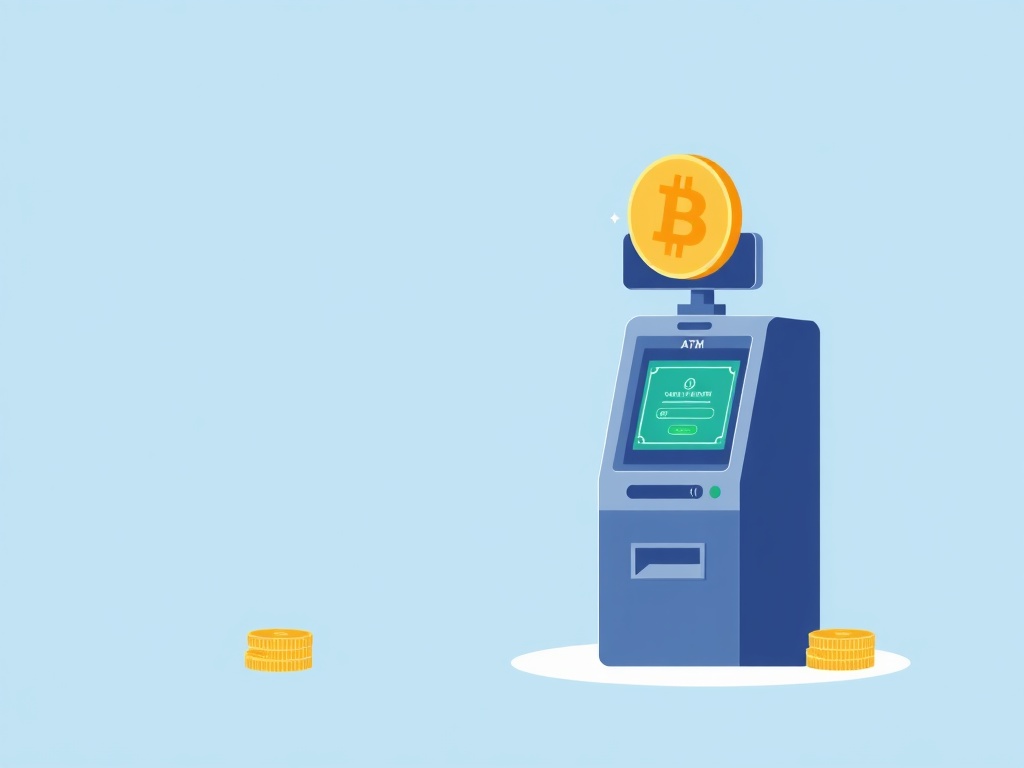
Bitcoin ATMs have revolutionized the way people buy and sell cryptocurrency, offering a convenient bridge between the digital and physical worlds. However, one of the most common questions users have is about bitcoin ATM limits. These limits can vary significantly depending on several factors, and understanding them is crucial for anyone looking to use these machines effectively.
What Are Bitcoin ATM Limits?
Bitcoin ATM limits refer to the maximum and minimum amounts of cryptocurrency that can be bought or sold in a single transaction or within a specific time period. These limits are set by the ATM operators and are influenced by various factors, including regulatory requirements, machine capabilities, and risk management strategies.
Types of Limits
There are generally two main types of limits you'll encounter at Bitcoin ATMs:
- Transaction limits: The maximum amount you can buy or sell in a single transaction
- Daily limits: The maximum amount you can transact within a 24-hour period
Factors Affecting Bitcoin ATM Limits
Several factors influence the limits you'll encounter at different Bitcoin ATMs:
Regulatory Compliance
Bitcoin ATM operators must comply with various financial regulations, which often dictate minimum and maximum transaction amounts. These regulations are designed to prevent money laundering and other illicit activities.
KYC Requirements
Know Your Customer (KYC) requirements play a significant role in determining bitcoin ATM limits. Machines with stricter KYC requirements often have higher limits, while those with minimal verification may have lower limits.
Operator Policies
Each Bitcoin ATM operator sets their own limits based on their business model, risk tolerance, and target market. Some operators cater to high-volume traders and offer higher limits, while others focus on smaller, more frequent transactions.
Typical Bitcoin ATM Limits
While limits can vary widely, here are some general ranges you might encounter:
Entry-Level Machines
Bitcoin ATMs with minimal verification requirements often have lower limits, typically ranging from $20 to $500 per transaction and $1,000 to $3,000 per day.
Mid-Range Machines
ATMs requiring basic KYC information might offer limits between $500 and $3,000 per transaction and $5,000 to $10,000 per day.
High-Limit Machines
Some Bitcoin ATMs cater to high-volume users and may offer limits of $5,000 to $20,000 per transaction and up to $50,000 per day, but these typically require extensive verification.
How to Increase Your Bitcoin ATM Limits
If you find yourself hitting the limits of a particular Bitcoin ATM, there are several strategies you can employ to increase your transaction capacity:
Complete KYC Verification
Providing more personal information and completing the full KYC process can often unlock higher limits at many Bitcoin ATMs.
Use Multiple Machines
If you need to transact larger amounts, you can use multiple Bitcoin ATMs from different operators to stay within individual limits while achieving your desired total.
Build a Relationship with the Operator
Some Bitcoin ATM operators may be willing to increase limits for regular customers or those with a proven track record of legitimate transactions.
Regional Variations in Bitcoin ATM Limits
Bitcoin ATM limits can vary significantly depending on your location due to different regulatory environments and market conditions.
United States
In the US, limits are often influenced by state-specific regulations. Some states have stricter requirements, which can result in lower limits or more extensive verification processes.
Europe
European Bitcoin ATMs often have limits that comply with EU anti-money laundering directives, which can result in varying limits across different countries.
Asia
Asian markets may have different limit structures based on local regulations and the maturity of the cryptocurrency market in each country.
Impact of Bitcoin ATM Limits on Users
Understanding bitcoin ATM limits is crucial for users to plan their transactions effectively and avoid frustration.
Planning Large Transactions
For users looking to buy or sell large amounts of Bitcoin, being aware of limits is essential for planning. You may need to split large transactions across multiple machines or days.
Privacy Considerations
Higher limits often require more personal information, which can be a concern for privacy-conscious users. Balancing the need for higher limits with privacy preferences is an important consideration.
Cost Implications
Bitcoin ATMs typically charge higher fees than online exchanges. Understanding limits can help you minimize the number of transactions and potentially reduce overall costs.
Future Trends in Bitcoin ATM Limits
As the cryptocurrency industry evolves, we may see changes in how bitcoin ATM limits are structured and enforced.
Increased Standardization
There may be a trend towards more standardized limits across different operators and regions as the industry matures and regulations become more consistent.
Dynamic Limits
Some operators are experimenting with dynamic limits that adjust based on factors like transaction history, market conditions, and user behavior.
Integration with DeFi
As decentralized finance (DeFi) grows, we might see Bitcoin ATMs that integrate with DeFi protocols, potentially offering new types of limits and transaction structures.
Tips for Using Bitcoin ATMs Effectively
To make the most of Bitcoin ATMs while navigating their limits, consider the following tips:
- Research the limits of different ATMs in your area before planning large transactions
- Have your identification ready if you anticipate needing to complete KYC verification
- Consider using a combination of Bitcoin ATMs and online exchanges for larger transactions
- Keep track of your daily transaction limits across different machines
- Be aware of the fees associated with different transaction sizes and limits
Understanding bitcoin ATM limits is essential for anyone looking to use these machines effectively. By being aware of the factors that influence limits and how to navigate them, you can make informed decisions about your cryptocurrency transactions and maximize the convenience that Bitcoin ATMs offer.

Bitcoin ATM Limits: Understanding Transaction Constraints and Strategic Implications
As a Digital Assets Strategist with extensive experience in both traditional finance and cryptocurrency markets, I've observed that bitcoin ATM limits play a crucial role in shaping user behavior and market dynamics. These limits, which typically range from $20 to $10,000 per transaction depending on the operator and jurisdiction, are primarily implemented for regulatory compliance and risk management purposes. From a strategic perspective, these constraints create interesting market microstructure effects, particularly in how they influence the velocity of bitcoin transactions and the overall liquidity profile of retail investors.
The practical implications of bitcoin ATM limits extend beyond simple transaction boundaries. For portfolio optimization, these limits can affect how investors approach dollar-cost averaging strategies and position sizing. I've found that understanding these constraints is essential for developing effective trading strategies, especially when considering the time value of money and transaction costs. Moreover, the verification requirements associated with higher limits create a natural segmentation in the market, with different user groups exhibiting distinct behavioral patterns based on their verification status and corresponding transaction capabilities.