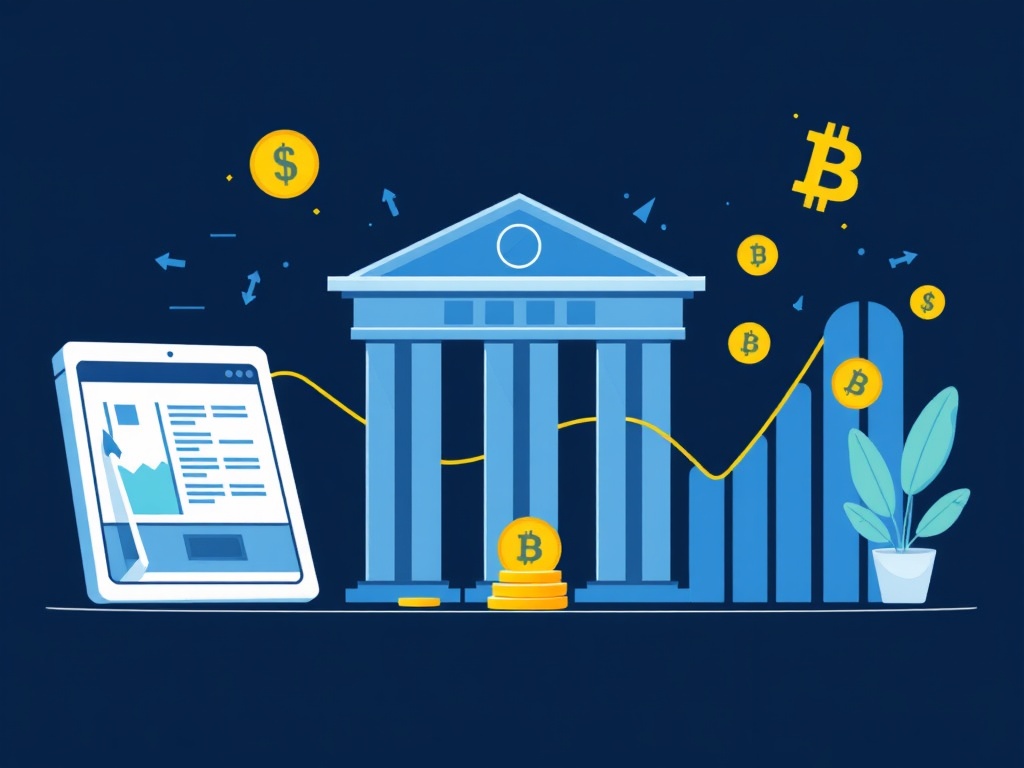
The rise of cryptocurrency has revolutionized digital transactions, offering users unprecedented financial freedom and privacy. However, this innovation has also led to the emergence of crypto payment blocking as a significant concern for users and businesses alike. This comprehensive guide explores the various aspects of crypto payment blocking, its causes, implications, and potential solutions.
What is Crypto Payment Blocking?
Crypto payment blocking refers to the deliberate prevention or restriction of cryptocurrency transactions by various entities, including financial institutions, payment processors, governments, or even blockchain networks themselves. This phenomenon has become increasingly prevalent as cryptocurrencies gain mainstream adoption and regulatory scrutiny intensifies.
Types of Crypto Payment Blocking
There are several forms of crypto payment blocking that users may encounter:
- Exchange-based blocking: When cryptocurrency exchanges restrict or freeze user accounts
- Network-level blocking: When blockchain transactions are censored or delayed
- Payment processor restrictions: When traditional payment methods cannot be used to purchase crypto
- Geolocation-based blocking: When access to crypto services is restricted based on user location
- IP-based blocking: When specific IP addresses or ranges are prohibited from accessing crypto platforms
Common Causes of Crypto Payment Blocking
Understanding why crypto payment blocking occurs is essential for navigating the cryptocurrency landscape effectively. Several factors contribute to this growing issue:
Regulatory Compliance
Financial institutions and cryptocurrency exchanges must comply with various regulations, including Anti-Money Laundering (AML) and Know Your Customer (KYC) requirements. When transactions appear suspicious or fail to meet compliance standards, they may be blocked to avoid regulatory penalties.
Security Concerns
Platforms implement crypto payment blocking as a security measure to protect users from fraud, hacks, and unauthorized access. Unusual transaction patterns or login attempts from unfamiliar locations may trigger automatic blocks.
Sanctions and Legal Restrictions
Governments may impose sanctions on certain countries or entities, leading to crypto payment blocking for users in those regions. Additionally, some jurisdictions have banned or severely restricted cryptocurrency activities, resulting in widespread blocking of related services.
Technical Issues
Blockchain networks may experience congestion or technical problems that result in delayed or blocked transactions. Smart contract vulnerabilities can also lead to unintended transaction failures.
Impact of Crypto Payment Blocking on Users
The consequences of crypto payment blocking extend beyond mere inconvenience, affecting users in various ways:
Financial Losses
When transactions are blocked, users may face financial losses due to missed trading opportunities, failed payments, or frozen funds. In some cases, resolving these issues can take days or weeks, during which time market conditions may change significantly.
Privacy Concerns
Many users turn to cryptocurrencies seeking financial privacy. However, crypto payment blocking often requires users to provide extensive personal information to resolve issues, compromising their privacy and defeating the purpose of using crypto in the first place.
Business Disruption
For businesses that accept cryptocurrency payments, blocking can disrupt operations, damage customer relationships, and result in lost revenue. This is particularly problematic for companies operating in the global marketplace.
Limited Access to Financial Services
Crypto payment blocking can effectively exclude certain users from participating in the digital economy, particularly those in regions with strict cryptocurrency regulations or limited banking infrastructure.
How to Prevent and Address Crypto Payment Blocking
While crypto payment blocking presents challenges, there are several strategies users can employ to minimize its impact:
Choose Reputable Platforms
Selecting well-established cryptocurrency exchanges and wallets with strong compliance records can reduce the likelihood of encountering crypto payment blocking. Research platform policies and user reviews before committing funds.
Maintain Compliance
Ensure all transactions comply with applicable regulations and platform requirements. Complete verification processes promptly and accurately to avoid triggering security measures that result in crypto payment blocking.
Use Multiple Services
Diversifying across multiple exchanges, wallets, and payment methods can provide alternatives when one service implements crypto payment blocking. This approach also reduces dependency on single points of failure.
Implement Strong Security Practices
Protect accounts with strong passwords, two-factor authentication, and secure storage solutions. Regular security audits can help identify vulnerabilities before they lead to crypto payment blocking.
Stay Informed About Regulations
Understanding the regulatory landscape in your jurisdiction can help you anticipate and navigate potential crypto payment blocking issues. Follow updates from regulatory bodies and industry organizations.
Technical Solutions to Crypto Payment Blocking
Several technical approaches can help users overcome or mitigate crypto payment blocking:
Decentralized Exchanges (DEXs)
DEXs operate without central authorities, making them less susceptible to crypto payment blocking. Users retain control of their funds throughout transactions, reducing the risk of account freezes or restrictions.
Privacy Coins and Mixing Services
Privacy-focused cryptocurrencies and mixing services can help users maintain transaction privacy, potentially reducing the likelihood of crypto payment blocking based on transaction analysis. However, users should be aware of the legal implications of using such services in their jurisdiction.
Layer 2 Solutions
Layer 2 scaling solutions can provide alternative transaction pathways that may be less prone to crypto payment blocking. These technologies often offer faster and cheaper transactions while maintaining security.
VPN and Proxy Services
While not a complete solution, VPNs can help users bypass geolocation-based crypto payment blocking. However, this approach may violate platform terms of service and should be used cautiously.
The Future of Crypto Payment Blocking
As the cryptocurrency ecosystem continues to evolve, the nature of crypto payment blocking is likely to change as well:
Increased Regulation
Greater regulatory clarity may lead to more standardized approaches to crypto payment blocking, potentially reducing arbitrary restrictions while ensuring compliance with legal requirements.
Technological Advancements
Improvements in blockchain technology, including better privacy features and scalability solutions, may help reduce instances of crypto payment blocking while maintaining necessary security measures.
Industry Collaboration
Increased cooperation between cryptocurrency platforms, regulators, and users could lead to more balanced approaches to crypto payment blocking that protect both security interests and user rights.
Decentralized Finance (DeFi) Growth
The continued expansion of DeFi protocols may provide alternatives to traditional financial services, potentially reducing reliance on centralized platforms that implement crypto payment blocking.
Best Practices for Navigating Crypto Payment Blocking
To effectively manage the challenges of crypto payment blocking, consider the following recommendations:
- Maintain detailed records of all cryptocurrency transactions and communications with service providers
- Develop relationships with multiple service providers to ensure alternatives are available
- Stay informed about regulatory changes that may affect cryptocurrency usage in your region
- Regularly review and update security measures to prevent unauthorized access
- Consider consulting with legal and financial professionals familiar with cryptocurrency regulations
Conclusion
Crypto payment blocking represents a significant challenge in the cryptocurrency ecosystem, affecting users, businesses, and the broader adoption of digital assets. While various factors contribute to this phenomenon, understanding its causes and implementing appropriate strategies can help users navigate these challenges effectively.
As the cryptocurrency industry matures, we can expect continued evolution in how crypto payment blocking is implemented and addressed. By staying informed, maintaining compliance, and utilizing available technological solutions, users can minimize the impact of crypto payment blocking while contributing to the development of a more robust and accessible cryptocurrency ecosystem.
The future of cryptocurrency depends on finding the right balance between necessary security measures and the fundamental principles of financial freedom and privacy that attracted many users to this technology in the first place. As this balance is achieved, the prevalence and impact of crypto payment blocking may be significantly reduced, paving the way for broader cryptocurrency adoption and innovation.

Crypto Payment Blocking: Understanding the Challenges and Implications
As a Senior Crypto Market Analyst with over a decade of experience in digital asset analysis, I've witnessed the evolution of cryptocurrency payments and the growing concerns around crypto payment blocking. This phenomenon has become increasingly prevalent as regulatory bodies and financial institutions grapple with the decentralized nature of digital currencies. The ability to block or restrict crypto payments raises significant questions about financial sovereignty and the fundamental principles of blockchain technology.
The implementation of crypto payment blocking mechanisms often stems from legitimate concerns about fraud, money laundering, and compliance with international regulations. However, these restrictions can have far-reaching consequences for both individual users and businesses operating in the crypto space. From my professional perspective, the key challenge lies in striking a balance between necessary oversight and maintaining the core benefits of cryptocurrency transactions. Financial institutions and payment processors must develop more sophisticated approaches that can effectively address security concerns while preserving the efficiency and accessibility that make crypto payments attractive in the first place.
Looking ahead, the future of crypto payment blocking will likely be shaped by technological advancements and evolving regulatory frameworks. As someone who closely monitors market trends and institutional adoption patterns, I believe that the development of more nuanced compliance solutions and improved blockchain analytics will play a crucial role in addressing these challenges. The industry needs to focus on creating systems that can effectively identify and prevent illicit activities without compromising the fundamental advantages of cryptocurrency transactions. This balanced approach will be essential for fostering mainstream adoption while maintaining the integrity of the crypto ecosystem.