The digital cash system represents one of the most transformative innovations in modern finance, fundamentally changing how we think about money, transactions, and value exchange. As traditional financial systems face increasing scrutiny and technological advancement accelerates, understanding digital cash systems becomes essential for anyone navigating today's economic landscape.
What Is a Digital Cash System?
A digital cash system is an electronic payment mechanism that enables users to conduct transactions without physical currency. Unlike traditional banking systems that rely on centralized authorities, digital cash systems operate through decentralized networks, cryptographic protocols, and distributed ledger technologies. These systems aim to replicate the properties of physical cash in digital form while offering enhanced security, privacy, and efficiency.
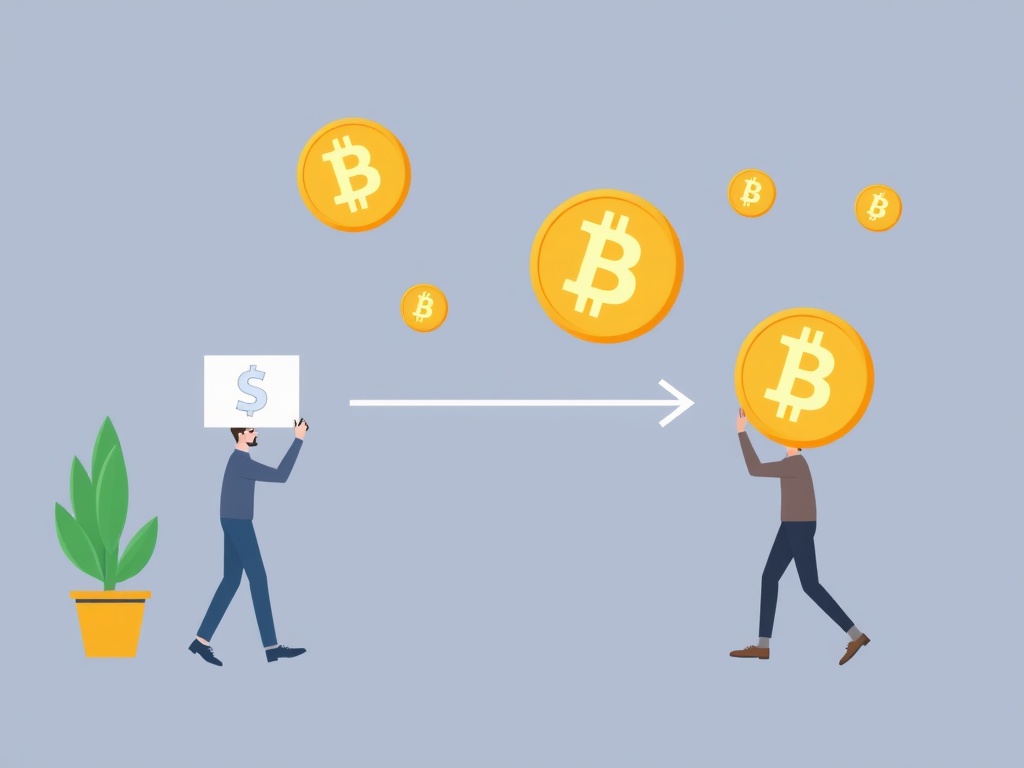
The core principle behind any digital cash system is the ability to transfer value directly between parties without intermediaries. This peer-to-peer nature distinguishes digital cash from conventional electronic payments, which typically require banks, payment processors, or other third parties to facilitate transactions.
Key Characteristics of Digital Cash Systems
Digital cash systems share several fundamental characteristics that define their operation and utility:
- Decentralization: Most digital cash systems operate without central authority control, distributing power across network participants
- Privacy: Transactions can be conducted with varying degrees of anonymity, protecting user identities
- Security: Cryptographic techniques ensure transaction integrity and prevent fraud
- Irreversibility: Once confirmed, transactions cannot be reversed, similar to physical cash exchanges
- Global accessibility: Digital cash systems operate across borders without geographical restrictions
The Evolution of Digital Cash Systems
The concept of digital cash predates Bitcoin by several decades. Early attempts at creating electronic money systems emerged in the 1980s and 1990s, with pioneers like David Chaum developing cryptographic protocols for anonymous digital transactions. However, these early systems faced significant technical and adoption challenges.
The breakthrough came in 2009 with the launch of Bitcoin, the first successful implementation of a decentralized digital cash system. Bitcoin's innovative use of blockchain technology solved the double-spending problem that had plagued previous attempts at digital cash. Since then, thousands of alternative digital cash systems have emerged, each offering unique features and improvements.
Major Milestones in Digital Cash Development
- 1983: David Chaum proposes eCash, the first cryptographic digital cash concept
- 1990s: Various electronic payment systems emerge, including DigiCash and e-gold
- 2009: Bitcoin launches, introducing blockchain technology to the world
- 2011-2015: Altcoins emerge, offering different features and use cases
- 2015-Present: Smart contract platforms enable programmable digital cash systems
How Digital Cash Systems Work
Understanding the technical foundations of a digital cash system requires examining several key components that work together to enable secure, decentralized transactions.
Blockchain Technology
At the heart of most digital cash systems lies blockchain technology. A blockchain is a distributed ledger that records all transactions across a network of computers. Each block contains transaction data, timestamps, and cryptographic hashes linking it to previous blocks. This creates an immutable chain of transaction records that cannot be altered without consensus from the network.
The decentralized nature of blockchain ensures that no single entity controls the digital cash system. Instead, network participants collectively maintain and validate the transaction record through consensus mechanisms like Proof of Work or Proof of Stake.
Cryptographic Security
Cryptography forms the backbone of digital cash security. Public-key cryptography enables users to generate unique digital signatures for transactions, proving ownership without revealing private keys. Hash functions create unique identifiers for transactions and blocks, ensuring data integrity throughout the system.
Digital signatures in a digital cash system work similarly to handwritten signatures but offer far greater security. When a user initiates a transaction, their private key creates a signature that can be verified by anyone using the corresponding public key, without exposing the private key itself.
Consensus Mechanisms
Consensus mechanisms are protocols that ensure all network participants agree on the state of the digital cash system. These mechanisms prevent double-spending and maintain the integrity of the transaction ledger.
Proof of Work, used by Bitcoin, requires participants to solve complex mathematical problems to validate transactions and create new blocks. Proof of Stake, used by many newer systems, selects validators based on the amount of cryptocurrency they hold and are willing to "stake" as collateral.
Types of Digital Cash Systems
The landscape of digital cash systems is diverse, with various implementations serving different purposes and user needs.
Cryptocurrencies
Cryptocurrencies represent the most well-known category of digital cash systems. Bitcoin pioneered this space, but thousands of alternatives now exist, each with unique features:
- Bitcoin: The original cryptocurrency, focused on being digital gold and a store of value
- Ethereum: A platform for smart contracts and decentralized applications
- Litecoin: Designed for faster transactions and lower fees
- Ripple: Focused on institutional payment solutions
Central Bank Digital Currencies (CBDCs)
Governments and central banks worldwide are exploring CBDCs as state-backed digital cash systems. These digital currencies would be issued and regulated by central authorities, combining the benefits of digital cash with government backing.
CBDCs could potentially offer programmable money features, allowing governments to implement monetary policy directly through the currency itself. However, they also raise concerns about privacy and government surveillance.
Stablecoins
Stablecoins are digital cash systems designed to maintain price stability by pegging their value to traditional assets like the US dollar or gold. These systems bridge the gap between volatile cryptocurrencies and stable fiat currencies.
Popular stablecoins include Tether (USDT), USD Coin (USDC), and Dai. Each uses different mechanisms to maintain its peg, from fiat reserves to algorithmic adjustments.
Benefits of Digital Cash Systems
The adoption of digital cash systems offers numerous advantages over traditional financial systems and physical cash.
Financial Inclusion
Digital cash systems can provide financial services to the unbanked and underbanked populations worldwide. With just a smartphone and internet connection, anyone can participate in the global economy, regardless of their location or access to traditional banking infrastructure.
This accessibility is particularly transformative in developing countries where traditional banking services are limited or prohibitively expensive. Digital cash systems eliminate many barriers to entry, enabling economic participation for billions of people.
Lower Transaction Costs
Traditional financial systems involve multiple intermediaries, each taking a fee for their services. Digital cash systems can significantly reduce these costs by eliminating intermediaries and automating processes through smart contracts and decentralized networks.
International remittances, which traditionally involve high fees and slow processing times, can be completed in minutes with minimal costs using digital cash systems. This efficiency benefits both senders and recipients, particularly in cross-border transactions.
Enhanced Privacy and Security
While privacy levels vary among different digital cash systems, many offer superior privacy compared to traditional banking. Users can conduct transactions without revealing personal information, protecting against identity theft and financial surveillance.
The cryptographic security of digital cash systems also provides protection against fraud and counterfeiting. Each transaction is verified and recorded on the blockchain, creating an immutable record that prevents double-spending and other forms of financial crime.
Programmability and Smart Contracts
Advanced digital cash systems support smart contracts, which are self-executing agreements with terms written directly into code. These programmable features enable automated financial services, from simple escrow arrangements to complex decentralized applications.
Smart contracts can automate everything from insurance payouts to supply chain payments, reducing the need for intermediaries and human intervention while increasing efficiency and transparency.
Challenges and Limitations
Despite their advantages, digital cash systems face several significant challenges that impact their adoption and effectiveness.
Scalability Issues
Many digital cash systems struggle with scalability, particularly as transaction volumes increase. Bitcoin, for example, can process only about seven transactions per second, compared to thousands for traditional payment networks like Visa.
Various solutions are being developed to address scalability, including layer-two protocols, sharding, and alternative consensus mechanisms. However, achieving both scalability and decentralization remains a significant technical challenge.
Regulatory Uncertainty
The regulatory landscape for digital cash systems remains unclear in many jurisdictions. Governments worldwide are still determining how to classify, regulate, and tax digital currencies, creating uncertainty for users and businesses.
Regulatory challenges include concerns about money laundering, terrorist financing, tax evasion, and consumer protection. Finding the right balance between innovation and regulation continues to be a complex issue for policymakers.
Environmental Concerns
Proof of Work-based digital cash systems like Bitcoin have faced criticism for their energy consumption. The computational power required to secure these networks consumes significant electricity, raising environmental concerns.
However, many newer digital cash systems use more energy-efficient consensus mechanisms, and the industry is increasingly focusing on renewable energy sources and sustainable practices.
User Experience and Adoption
The technical complexity of digital cash systems can be a barrier to mainstream adoption. Managing private keys, understanding transaction fees, and navigating different wallets and exchanges requires a level of technical knowledge that many users lack.
Improving user interfaces and simplifying the user experience are critical for broader adoption. As the technology matures, we can expect more user-friendly solutions to emerge.
The Future of Digital Cash Systems
The evolution of digital cash systems continues at a rapid pace, with new innovations and improvements emerging regularly. Several trends are likely to shape the future of digital cash.
Integration with Traditional Finance
The line between traditional finance and digital cash systems is increasingly blurring. Major financial institutions are exploring blockchain technology, and many now offer cryptocurrency services to their clients.
This integration could lead to hybrid systems that combine the benefits of digital cash with the stability and regulation of traditional finance, potentially accelerating mainstream adoption.
Enhanced Privacy Features
Privacy remains a key concern for many users of digital cash systems. Future developments are likely to focus on enhancing privacy features while maintaining regulatory compliance.
Technologies like zero-knowledge proofs and confidential transactions could enable truly private digital cash systems that protect user privacy while preventing illicit activities.
Interoperability Solutions
As the number of digital cash systems grows, the need for interoperability becomes increasingly important. Cross-chain protocols and bridges are being developed to enable seamless value transfer between different digital cash systems.
This interoperability could create a more connected and efficient digital cash ecosystem, allowing users to move value between different systems as needed.
Central Bank Digital Currencies
The development of CBDCs by central banks worldwide could significantly impact the digital cash landscape. These government-backed digital currencies could provide the benefits of digital cash while maintaining the stability and trust of traditional fiat currencies.
However, CBDCs also raise important questions about privacy, financial sovereignty, and the role of commercial banks in the digital economy.
Getting Started with Digital Cash Systems
For those interested in exploring digital cash systems, several steps can help ensure a safe and successful experience.
Education and Research
Before engaging with any digital cash system, it's essential to understand the technology, risks, and best practices. Numerous resources are available, including online courses, documentation, and community forums.
Start with well-established systems and gradually explore more advanced options as your understanding grows. Never invest more than you can afford to lose, and always prioritize security.
Choosing the Right Wallet
Digital wallets are essential tools for interacting with digital cash systems. Different types of wallets offer varying levels of security and convenience:
- Hardware wallets: Physical devices that store private keys offline, offering maximum security
- Software wallets: Applications installed on computers or mobile devices
- Web wallets: Online services that manage keys on behalf of users
- Paper wallets: Physical documents containing key information
Security Best Practices
Security is paramount when using digital cash systems. Follow these best practices to protect your assets:
- Use strong, unique passwords for all accounts
- Enable two-factor authentication wherever possible
- Keep software and firmware updated
- Store significant amounts in hardware wallets
- Backup recovery phrases in multiple secure locations
- Be cautious of phishing attempts and suspicious links
Conclusion
The digital cash system represents a fundamental shift in how we think about and use money. By combining the benefits of digital technology with the properties of cash, these systems offer new possibilities for financial inclusion, efficiency, and innovation.
While challenges remain, the continued development and adoption of digital cash systems suggest they will play an increasingly important role in the future of finance. Whether through cryptocurrencies, CBDCs, or other innovations, the principles of decentralization, security, and accessibility embodied by digital cash systems are likely to shape the financial landscape for years to come.
As with any emerging technology, success with digital cash systems requires education, caution, and a willingness to adapt to new paradigms. Those who understand and embrace these systems may find themselves well-positioned for the evolving digital economy.

Digital Cash System: A Blockchain Research Director's Perspective
As a Blockchain Research Director with extensive experience in distributed ledger technology, I've witnessed the evolution of digital cash systems from theoretical concepts to practical implementations. The emergence of blockchain-based digital cash systems represents a fundamental shift in how we conceptualize and transfer value. These systems offer unprecedented transparency, security, and efficiency compared to traditional financial infrastructure, while maintaining the core properties that make cash valuable: privacy, finality, and accessibility.
The most promising digital cash systems leverage smart contracts and advanced cryptographic techniques to create programmable money that can operate across different blockchain networks. My research has shown that successful implementations must balance regulatory compliance with user privacy, ensuring that transactions remain confidential while preventing illicit activities. The key to widespread adoption lies in developing intuitive user interfaces and seamless integration with existing financial systems, making digital cash as convenient as traditional payment methods while preserving its unique advantages in terms of security and decentralization.