The world of decentralized finance (DeFi) continues to evolve rapidly, and one of the most significant innovations in this space is the tBTC decentralized bridge. This groundbreaking technology enables Bitcoin holders to participate in Ethereum's DeFi ecosystem without selling their BTC holdings. In this comprehensive guide, we'll explore everything you need to know about tBTC, how it works, and why it matters for the future of cross-chain interoperability.
What is tBTC and How Does the Decentralized Bridge Work?
The tBTC decentralized bridge is a trust-minimized protocol that allows users to convert Bitcoin into an ERC-20 token called TBTC, which maintains a 1:1 peg with Bitcoin. Unlike centralized solutions that require users to trust a single entity with their Bitcoin, tBTC operates through a network of signers who collectively manage the custody of deposited BTC.
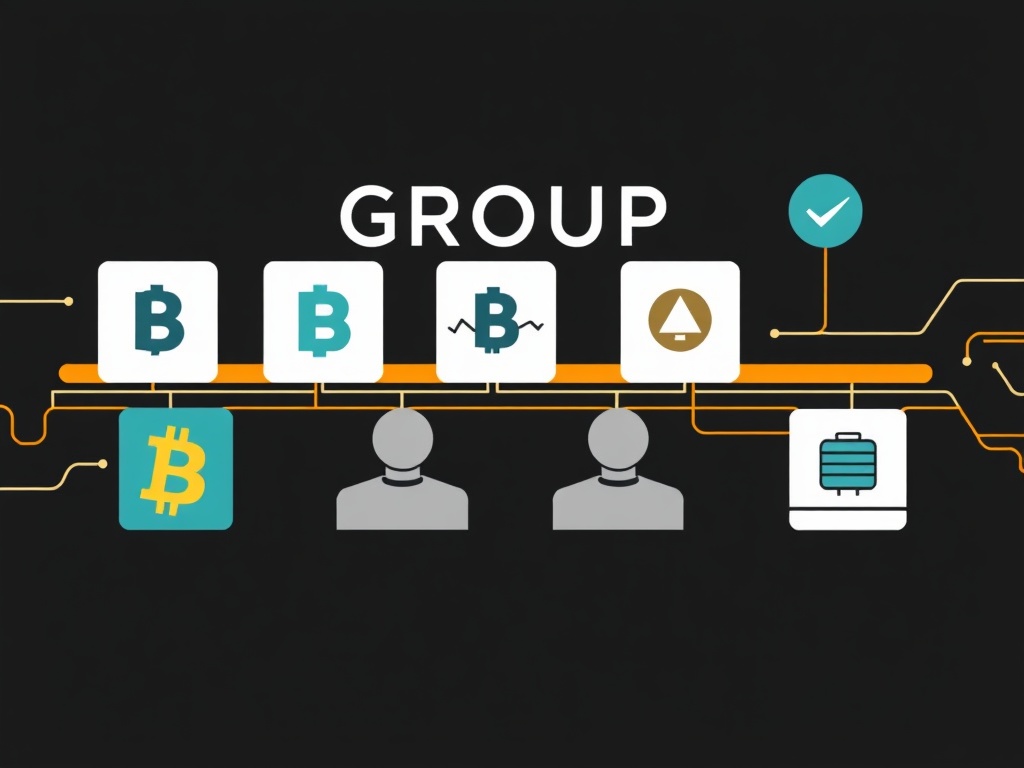
When a user wants to mint TBTC, they initiate a deposit transaction. The protocol then selects a group of at least three signers who must collectively stake 150% of the Bitcoin value in ETH as collateral. This over-collateralization ensures that signers have significant economic incentives to behave honestly and securely manage the deposited Bitcoin.
The Technical Architecture Behind tBTC
The tBTC decentralized bridge leverages several key components to function securely:
- Random Beacon: Ensures fair and unpredictable signer selection
- ECDSA Threshold Signatures: Enables multiple signers to create a single Bitcoin wallet address without any single party controlling the private key
- Smart Contracts: Handle the minting and burning of TBTC tokens on Ethereum
- Keep Network: Provides the infrastructure for off-chain computation and storage
This architecture ensures that no single entity can compromise the system, making the tBTC decentralized bridge one of the most secure options for Bitcoin-to-Ethereum bridging.
Benefits of Using the tBTC Decentralized Bridge
The tBTC decentralized bridge offers numerous advantages over centralized alternatives and other bridging solutions. Understanding these benefits helps users make informed decisions about their cross-chain strategies.
Enhanced Security and Trust Minimization
Traditional Bitcoin bridges often require users to trust a centralized custodian with their funds. The tBTC decentralized bridge eliminates this single point of failure by distributing custody among multiple signers who are economically incentivized to act honestly. If any signer attempts malicious behavior, they risk losing their ETH collateral, which is significantly more valuable than the Bitcoin they're holding.
Permissionless Access and Censorship Resistance
Unlike centralized exchanges or custodial services that may impose restrictions or freeze accounts, the tBTC decentralized bridge operates as a permissionless protocol. Anyone with Bitcoin can participate without KYC requirements or geographic restrictions. This aligns with the core principles of decentralization and financial sovereignty that underpin both Bitcoin and Ethereum ecosystems.
Native Bitcoin Exposure in DeFi
TBTC tokens created through the tBTC decentralized bridge represent actual Bitcoin backing, not synthetic exposure. This means users can participate in Ethereum's DeFi ecosystem while maintaining direct exposure to Bitcoin price movements. Whether it's providing liquidity, borrowing against TBTC, or using it as collateral, users retain their Bitcoin exposure without selling their holdings.
How to Use the tBTC Decentralized Bridge
Using the tBTC decentralized bridge involves several steps, but the process has been streamlined to make it accessible to both technical and non-technical users. Here's a comprehensive guide to getting started.
Step-by-Step Minting Process
- Connect Your Wallet: Users need an Ethereum-compatible wallet like MetaMask to interact with the tBTC interface
- Initiate Deposit: Specify the amount of Bitcoin you want to convert to TBTC
- Generate Deposit Address: The protocol creates a unique Bitcoin address for your deposit
- Send Bitcoin: Transfer the specified amount to the generated address
- Wait for Confirmations: The network requires multiple Bitcoin confirmations for security
- Receive TBTC: Once confirmed, TBTC tokens are minted and sent to your wallet
Redeeming TBTC Back to Bitcoin
The redemption process through the tBTC decentralized bridge is equally straightforward:
- Initiate Redemption: Specify the amount of TBTC you want to convert back to Bitcoin
- Provide Bitcoin Address: Enter the address where you want to receive your Bitcoin
- Wait for Processing: Signers coordinate to release your Bitcoin from custody
- Receive Bitcoin: Your BTC arrives at the specified address
The entire process typically takes 15-30 minutes, depending on network conditions and the number of confirmations required.
Comparing tBTC with Other Bitcoin Bridges
The tBTC decentralized bridge isn't the only solution for bringing Bitcoin to Ethereum, but it stands out in several important ways. Understanding these differences helps users choose the right solution for their needs.
tBTC vs. Wrapped Bitcoin (WBTC)
WBTC is the most popular Bitcoin token on Ethereum, but it operates through a centralized model where BitGo serves as the sole custodian. In contrast, the tBTC decentralized bridge uses a distributed network of signers, eliminating the need to trust a single entity. While WBTC offers faster minting and redemption, tBTC provides superior trust minimization and censorship resistance.
tBTC vs. RenBTC
RenBTC uses a different approach with dark nodes and a more complex custody model. The tBTC decentralized bridge opts for simplicity and transparency through its threshold signature scheme. RenBTC may offer lower fees in some cases, but tBTC's architecture is generally considered more robust and easier to audit.
Security Considerations Across Bridges
When evaluating different bridges, security should be the primary concern. The tBTC decentralized bridge has undergone multiple security audits and implements several safety mechanisms:
- Over-collateralization of signers (150% ETH collateral)
- Randomized signer selection through the Keep Network
- Threshold signature scheme preventing single points of failure
- Regular security audits by reputable firms
These features make the tBTC decentralized bridge one of the most secure options for Bitcoin bridging, though users should always conduct their own research and understand the risks involved.
The Role of tBTC in the DeFi Ecosystem
The tBTC decentralized bridge plays a crucial role in expanding the capabilities of decentralized finance by bringing Bitcoin's liquidity and value to Ethereum's innovative financial applications.
Yield Farming and Liquidity Provision
TBTC tokens can be used in various DeFi protocols to generate yield. Users can provide liquidity to decentralized exchanges like Uniswap or SushiSwap, participate in yield farming opportunities, or use TBTC as collateral for borrowing other assets. The tBTC decentralized bridge effectively unlocks Bitcoin's value for these productive uses without requiring users to sell their BTC.
Lending and Borrowing Markets
Several lending protocols support TBTC as collateral, allowing users to borrow stablecoins or other cryptocurrencies while maintaining their Bitcoin exposure. This creates opportunities for leveraged positions or accessing liquidity without triggering taxable events from selling Bitcoin. The tBTC decentralized bridge thus serves as a powerful tool for sophisticated DeFi strategies.
Institutional Adoption and Use Cases
Institutional investors often face regulatory and operational constraints that make direct participation in DeFi challenging. The tBTC decentralized bridge provides a compliant pathway for institutions to access DeFi yields while maintaining custody of their Bitcoin through regulated entities. This has significant implications for bringing traditional finance into the decentralized ecosystem.
Challenges and Limitations of the tBTC Decentralized Bridge
While the tBTC decentralized bridge offers numerous advantages, it's important to understand its limitations and potential challenges to make informed decisions about its use.
Technical Complexity and User Experience
The tBTC decentralized bridge involves complex cryptographic operations and smart contract interactions that can be intimidating for non-technical users. While the user interface has improved significantly, the process still requires understanding of wallet management, transaction fees, and blockchain confirmations. This complexity may limit adoption among mainstream users who prefer simpler solutions.
Transaction Costs and Network Congestion
Using the tBTC decentralized bridge requires transactions on both the Bitcoin and Ethereum networks, which can result in significant fees during periods of high network congestion. Bitcoin transaction fees vary based on network demand, while Ethereum gas fees can be particularly volatile. These costs can make small transactions economically unfeasible and impact the overall user experience.
Smart Contract and Protocol Risks
Despite extensive security audits, the tBTC decentralized bridge relies on smart contracts that could contain undiscovered vulnerabilities. Additionally, the protocol itself faces risks from potential economic attacks, governance decisions, or changes in the underlying blockchain ecosystems. Users should be aware that all blockchain applications carry inherent risks and only use funds they can afford to lose.
The Future of the tBTC Decentralized Bridge
The tBTC decentralized bridge continues to evolve, with several developments on the horizon that could enhance its functionality and adoption. Understanding these future directions helps users anticipate how the technology might develop.
Cross-Chain Expansion and Interoperability
While currently focused on Bitcoin-to-Ethereum bridging, the tBTC decentralized bridge technology could potentially support other blockchain networks. As the multi-chain ecosystem continues to grow, interoperability solutions that can bridge assets across multiple chains will become increasingly valuable. The underlying threshold signature technology could be adapted for various blockchain combinations.
Improved User Experience and Accessibility
Ongoing development efforts are focused on simplifying the user experience of the tBTC decentralized bridge. This includes better wallet integrations, streamlined deposit and redemption processes, and potentially abstracting away some of the technical complexity. As the DeFi space matures, user-friendly interfaces will be crucial for mainstream adoption.
Integration with Layer 2 Solutions
Ethereum's scaling solutions like Optimistic Rollups and zk-Rollups could significantly reduce transaction costs for the tBTC decentralized bridge. Integration with these Layer 2 networks would make smaller transactions more economical and improve the overall user experience. This could be particularly important as Ethereum continues to face scalability challenges.
Security Best Practices When Using tBTC
Security should be the top priority when using any decentralized bridge, including the tBTC decentralized bridge. Following best practices helps protect your assets and ensures a safe experience.
Wallet Security and Private Key Management
Always use hardware wallets when interacting with the tBTC decentralized bridge for large amounts. Never share your private keys or seed phrases, and ensure your wallet software is always up to date. Consider using dedicated wallets for DeFi activities separate from your primary holdings to minimize risk exposure.
Transaction Verification and Double-Checking
Before confirming any transaction with the tBTC decentralized bridge, carefully verify all details including the amount, recipient address, and network fees. Small mistakes can result in permanent loss of funds. Consider starting with small test transactions before moving larger amounts to ensure everything works as expected.
Staying Informed About Protocol Updates
The tBTC decentralized bridge is actively developed, with regular updates and improvements. Stay informed about protocol changes, security audits, and any potential vulnerabilities through official channels. Join community discussions and follow reputable sources to stay current with the latest developments and best practices.
Conclusion: The Significance of the tBTC Decentralized Bridge
The tBTC decentralized bridge represents a significant advancement in blockchain interoperability and decentralized finance. By enabling trust-minimized Bitcoin bridging to Ethereum, it opens up new possibilities for both individual users and institutions to participate in DeFi while maintaining their Bitcoin holdings.
As the cryptocurrency ecosystem continues to mature, solutions like the tBTC decentralized bridge will play an increasingly important role in connecting different blockchain networks and creating a more integrated financial system. While challenges remain in terms of user experience and transaction costs, ongoing development and innovation continue to address these issues.
For users looking to participate in Ethereum's DeFi ecosystem while maintaining Bitcoin exposure, the tBTC decentralized bridge offers a compelling solution that prioritizes security and decentralization. As with any blockchain application, users should conduct thorough research, understand the risks involved, and only use funds they can afford to lose.
The future of cross-chain interoperability looks promising, and the tBTC decentralized bridge stands as a testament to the innovative solutions being developed to create a more connected and functional decentralized financial system.

Expert Opinion on tBTC Decentralized Bridge
As the Blockchain Research Director at a leading fintech firm, I've been closely monitoring the evolution of cross-chain solutions, and tBTC stands out as a particularly innovative approach to bridging Bitcoin with Ethereum's DeFi ecosystem. The tBTC decentralized bridge represents a significant advancement in how we think about interoperability between different blockchain networks, especially given the challenges of maintaining Bitcoin's security guarantees while enabling its use in smart contract environments.
From a technical perspective, what makes tBTC particularly noteworthy is its use of a decentralized network of signers to mint TBTC tokens, rather than relying on a centralized custodian. This approach aligns with the core principles of decentralization while maintaining the 1:1 peg with Bitcoin. The system's reliance on threshold signatures and collateralized signers creates a robust security model that addresses many of the concerns we've seen with other wrapped Bitcoin solutions. However, it's worth noting that the complexity of this system requires careful consideration of gas costs and potential attack vectors, particularly around the coordination of signers and the management of collateral.
In my experience analyzing cross-chain bridges, tBTC's design demonstrates a thoughtful balance between decentralization and practical usability. The integration with Keep Network's infrastructure provides additional layers of security and privacy, while the transparent governance model allows for community participation in protocol upgrades. For institutions and individual users looking to participate in DeFi while maintaining exposure to Bitcoin, tBTC offers a compelling solution that doesn't compromise on the fundamental values of either network. As the DeFi space continues to evolve, I believe tBTC's approach to bridging these two major blockchain ecosystems will serve as a valuable reference point for future interoperability solutions.