In the rapidly evolving landscape of cryptocurrency, the need for transparency and security has never been more critical. As digital assets like Bitcoin gain mainstream adoption, the risks associated with illicit activities, such as money laundering and fraud, have also increased. One of the most effective tools in combating these threats is transaction graph investigation, a process that involves analyzing the complex network of Bitcoin transactions to uncover hidden patterns, trace the flow of funds, and identify potential risks. This article delves into the intricacies of transaction graph investigation, its role in the BTC mixer ecosystem, and the challenges and opportunities it presents for both regulators and users.
The Role of Transaction Graph Investigation in BTC Mixers
BTC mixers, also known as Bitcoin tumblers, are services that allow users to obfuscate the origin of their Bitcoin transactions. By mixing coins from multiple users, these services make it difficult to trace the source of funds, which can be both a privacy feature and a red flag for suspicious activity. However, this anonymity also makes BTC mixers a target for criminal enterprises. Transaction graph investigation plays a pivotal role in monitoring and analyzing these services to detect and prevent illicit behavior.
What Is a Transaction Graph?
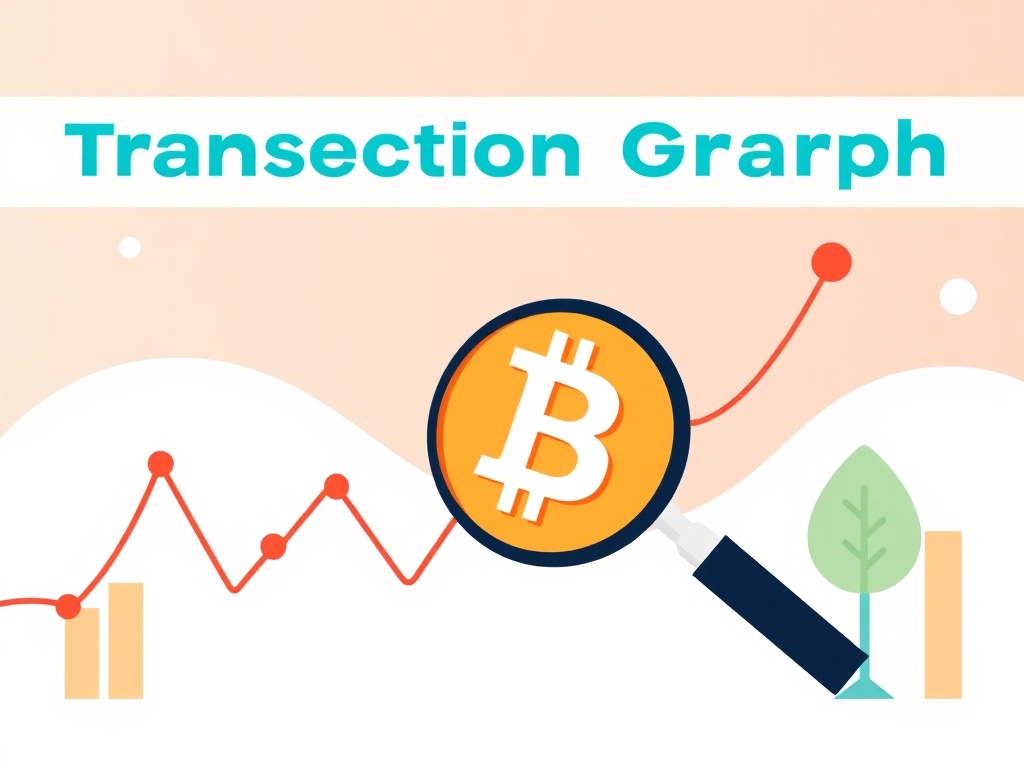
A transaction graph is a visual representation of all Bitcoin transactions, where each node represents a wallet address and each edge represents a transaction between two addresses. This graph is a dynamic and ever-expanding network that reflects the movement of funds across the blockchain. By analyzing this graph, investigators can identify clusters of addresses that may be linked to specific entities, such as exchanges, mixers, or criminal organizations.
For example, if a large volume of Bitcoin is sent to a known BTC mixer, investigators can use the transaction graph to trace the subsequent movements of those funds. This process helps in identifying patterns that may indicate money laundering, such as repeated transactions between the same set of addresses or the use of multiple mixers to obscure the trail.
Why BTC Mixers Are a Focus of Investigation
BTC mixers are particularly attractive to criminals because they provide a layer of anonymity that traditional financial systems lack. However, this anonymity is not absolute. Transaction graph investigation allows authorities to map the flow of funds through these services, uncovering connections that might otherwise go unnoticed. By analyzing the graph, investigators can identify "hot" addresses—those frequently used by mixers—and track the movement of funds to and from these points.
Moreover, the transaction graph can reveal the structure of a mixer's operations. For instance, some mixers may use a centralized server to process transactions, while others rely on decentralized networks. Understanding these structures is crucial for developing effective countermeasures. Transaction graph investigation provides the data needed to distinguish between legitimate and malicious activities, enabling regulators to take targeted action.
How Transaction Graph Investigation Works
Transaction graph investigation is a multi-step process that combines data collection, analysis, and interpretation. It requires a deep understanding of blockchain technology, graph theory, and forensic accounting. Below is a breakdown of the key steps involved in this process.
Data Collection and Analysis
The first step in transaction graph investigation is gathering data from the Bitcoin blockchain. This includes transaction records, wallet addresses, and timestamps. Advanced tools and APIs are used to extract this information, which is then stored in a database for further analysis. Once the data is collected, it is processed to create a transaction graph, where each node represents a wallet address and each edge represents a transaction.
This graph is not static; it evolves as new transactions are added to the blockchain. Investigators must continuously update their data to ensure accuracy. The complexity of the graph grows exponentially with the number of transactions, making it a challenging task to manage and analyze.
Pattern Recognition and Clustering
Once the transaction graph is constructed, the next step is to identify patterns and clusters within the data. This involves using algorithms to detect anomalies, such as sudden spikes in transaction volume or unusual movement of funds. For example, if a single address is sending and receiving large amounts of Bitcoin in a short period, it may indicate a mixer or a money laundering operation.
Clustering algorithms group similar addresses based on their transaction behavior. These clusters can reveal hidden relationships between entities, such as a mixer and its users. By analyzing these clusters, investigators can trace the flow of funds and identify potential links to criminal activity.
Integration with External Data Sources
To enhance the accuracy of transaction graph investigation, investigators often integrate external data sources, such as IP addresses, device fingerprints, and user behavior patterns. This additional information helps to contextualize the transaction graph and provide a more comprehensive view of the network.
For instance, if a transaction originates from an IP address associated with a known criminal network, it can be flagged for further scrutiny. Similarly, device fingerprints can help identify users who repeatedly access mixers, even if they use different wallet addresses.
Tools and Technologies for Transaction Graph Investigation
Transaction graph investigation relies on a variety of tools and technologies to process and analyze the vast amounts of data generated by the Bitcoin blockchain. These tools range from open-source software to proprietary platforms, each offering unique features for forensic analysis.
Blockchain Explorers and Analytics Platforms
Blockchain explorers, such as Blockchain.com and Blockchair, provide basic information about transactions, including sender and receiver addresses, transaction amounts, and timestamps. While these tools are useful for initial investigations, they lack the advanced analytics required for in-depth transaction graph investigation.
More sophisticated platforms, such as Chainalysis and Elliptic, offer specialized tools for analyzing transaction graphs. These platforms use machine learning algorithms to detect patterns, identify clusters, and flag suspicious activity. They also provide visualizations of the transaction graph, making it easier for investigators to interpret the data.
Graph Databases and Query Languages
Graph databases, such as Neo4j and Amazon Neptune, are essential for storing and querying transaction graphs. These databases allow investigators to perform complex queries, such as finding all addresses that have interacted with a specific mixer or identifying the shortest path between two addresses.
Query languages like Cypher (used in Neo4j) enable investigators to write custom queries to extract specific information from the graph. For example, a query might look for all transactions involving a particular mixer within a certain timeframe, providing valuable insights into its operations.
Machine Learning and Artificial Intelligence
Machine learning and artificial intelligence (AI) are increasingly being used in transaction graph investigation to automate the detection of suspicious patterns. These technologies can process large datasets more efficiently than traditional methods, identifying anomalies that might be missed by human analysts.
For example, AI models can be trained to recognize the behavior of known mixers, such as the frequency of transactions, the size of transfers, and the use of specific addresses. Once trained, these models can flag similar patterns in real-time, allowing investigators to respond quickly to potential threats.
Challenges in Transaction Graph Investigation
Despite its potential, transaction graph investigation is not without its challenges. The complexity of the Bitcoin blockchain, the evolving nature of BTC mixers, and the limitations of current tools all pose significant obstacles to effective investigation.
The Complexity of the Transaction Graph
The Bitcoin blockchain is a decentralized and distributed ledger, meaning that the transaction graph is constantly changing. As new transactions are added, the graph grows in size and complexity, making it difficult to maintain and analyze. This complexity is further exacerbated by the use of privacy-enhancing technologies, such as mixers, which intentionally obscure the flow of funds.
Investigators must navigate this complexity by using advanced algorithms and data structures to manage the graph efficiently. However, even with the best tools, the sheer volume of data can be overwhelming, requiring significant computational resources and expertise.
Privacy and Anonymity Measures
BTC mixers are designed to protect user privacy, which makes transaction graph investigation more challenging. These services use techniques such as coin mixing, where multiple users' coins are combined and then redistributed, making it difficult to trace the origin of funds.
Additionally, some mixers employ advanced privacy features, such as time delays and randomized transaction amounts, to further obscure the trail. These measures require investigators to develop new techniques and tools to counteract them, adding another layer of complexity to the investigation process.
Regulatory and Legal Hurdles
Another challenge in transaction graph investigation is the lack of clear regulatory frameworks for cryptocurrency. While some countries have implemented strict regulations on BTC mixers, others have taken a more lenient approach, creating a patchwork of laws that can complicate investigations.
Moreover, the global nature of the blockchain means that transactions can cross multiple jurisdictions, making it difficult to enforce regulations. Investigators must navigate these legal complexities while ensuring that their methods comply with local and international laws.
Future Trends in Transaction Graph Investigation
As the cryptocurrency landscape continues to evolve, so too will the techniques and tools used in transaction graph investigation. Several emerging trends are poised to shape the future of this field, offering both opportunities and challenges for investigators.
Integration of AI and Big Data Analytics
The integration of AI and big data analytics is expected to revolutionize transaction graph investigation. These technologies can process vast amounts of data in real-time, identifying patterns and anomalies that would be impossible to detect manually. For example, AI models can analyze the transaction graph to predict the likelihood of a particular address being associated with a mixer or a criminal network.
Big data analytics also enables investigators to combine blockchain data with other sources, such as social media and dark web forums, to gain a more comprehensive understanding of the network. This holistic approach can uncover connections that might otherwise go unnoticed, enhancing the effectiveness of investigations.
Decentralized Identity Solutions
Decentralized identity solutions, such as self-sovereign identity (SSI) systems, are gaining traction as a way to balance privacy and transparency in the blockchain space. These systems allow users to control their own identity data, reducing the need for centralized intermediaries like BTC mixers.
While this could reduce the need for transaction graph investigation in some cases, it also presents new challenges. Investigators will need to adapt their methods to account for decentralized identity systems, which may require new tools and approaches for data collection and analysis.
Collaboration Between Public and Private Sectors
As the importance of transaction graph investigation grows, there is an increasing need for collaboration between the public and private sectors. Governments, law enforcement agencies, and blockchain companies must work together to develop standardized protocols and share information to improve the effectiveness of investigations.
For example, blockchain companies can provide access to transaction data for investigative purposes, while regulators can establish clear guidelines for data sharing and privacy protection. This collaboration can help create a more transparent and secure ecosystem for all stakeholders.
Conclusion
Transaction graph investigation is a critical component of the fight against financial crime in the cryptocurrency space. By analyzing the complex network of Bitcoin transactions, investigators can uncover hidden patterns, trace the flow of funds, and identify potential risks. However, this process is not without its challenges, including the complexity of the transaction graph, the use of privacy-enhancing technologies, and the lack of clear regulatory frameworks.
As the field continues to evolve, the integration of AI, big data analytics, and decentralized identity solutions will play a key role in shaping the future of transaction graph investigation. By staying ahead of these trends and fostering collaboration between stakeholders, investigators can ensure that the benefits of blockchain technology are realized without compromising security and transparency.

Unlocking DeFi Transparency: The Critical Role of Transaction Graph Investigation in Modern Web3 Analysis
As a DeFi & Web3 analyst, I’ve spent years dissecting the intricate mechanics of decentralized finance protocols, and one tool that consistently stands out is transaction graph investigation. This method isn’t just about tracking individual transactions—it’s about mapping the entire ecosystem’s flow of value, revealing hidden patterns, and identifying systemic risks. By analyzing on-chain data through a transaction graph lens, we can uncover how liquidity pools interact, how yield farming strategies propagate across protocols, and where governance token distributions might create imbalances. This level of insight is indispensable for both developers and investors navigating the rapidly evolving Web3 landscape.
Transaction graph investigation is particularly vital in an era where DeFi’s complexity often outpaces traditional analytical frameworks. For instance, when evaluating a liquidity mining campaign, a transaction graph can expose whether a protocol’s incentives are driving sustainable participation or merely creating short-term hype. It also helps detect anomalies, such as sudden spikes in token transfers that might indicate rug pulls or manipulative trading behavior. From a practical standpoint, this approach allows analysts to simulate scenarios—like a sudden withdrawal of liquidity from a stablecoin pool—and assess the cascading effects on interconnected protocols. Such foresight is critical for risk mitigation in an industry where volatility is the only constant.
Looking ahead, the integration of transaction graph investigation into mainstream DeFi tools will likely redefine how we approach protocol design and user education. As Web3 matures, the ability to visualize and interpret these graphs will separate the informed from the speculative. For practitioners, mastering this skill isn’t just about staying relevant—it’s about building trust in a space where transparency is still a work in progress. Whether you’re a developer optimizing smart contracts or an investor vetting a new yield farming opportunity, transaction graph investigation is the key to unlocking the full potential of decentralized finance.