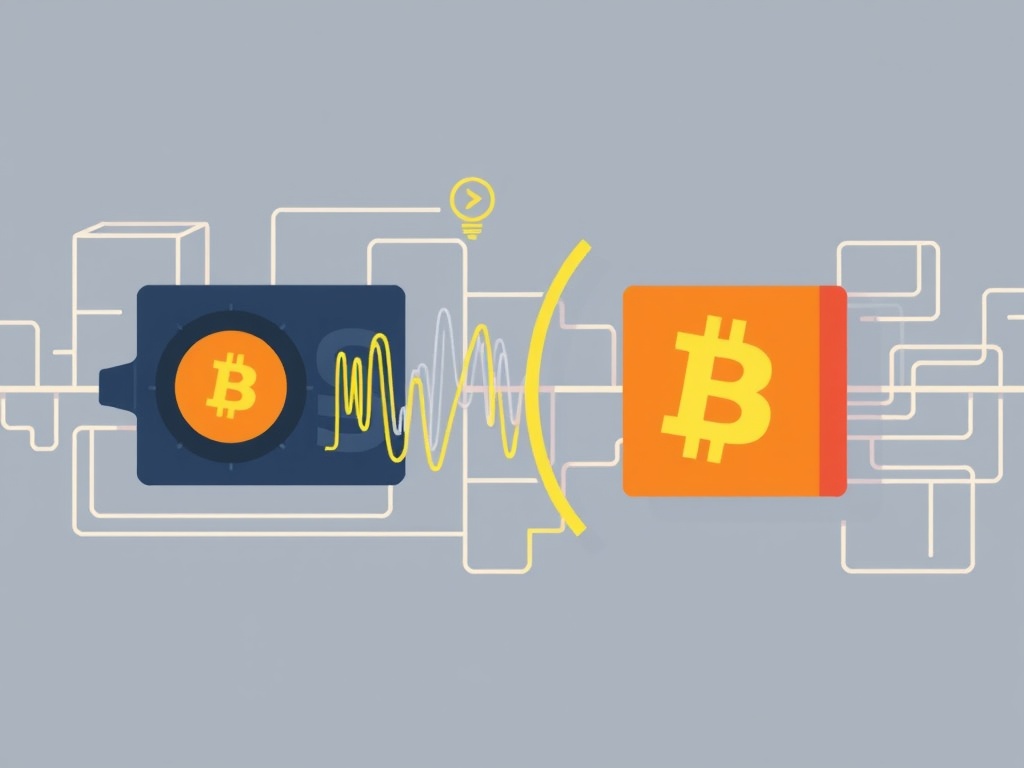
Understanding Power Analysis Attacks in the Context of Bitcoin Mixers
Power analysis attacks represent a sophisticated category of side-channel attacks that exploit variations in power consumption to extract sensitive information from electronic devices. In the realm of cryptocurrency and specifically bitcoin mixers, these attacks pose significant security concerns that users and developers must understand and address.
What is a Power Analysis Attack?
A power analysis attack is a method of cryptanalysis that monitors the power consumption of a device during cryptographic operations. Every electronic component consumes power when processing data, and this consumption varies depending on the operations being performed. By carefully measuring these power fluctuations, attackers can potentially extract secret keys or other sensitive information.
The fundamental principle behind a power analysis attack is that different computational operations require different amounts of power. Simple operations like addition consume less power than complex operations like multiplication or modular exponentiation. When cryptographic algorithms are implemented, these power variations create a unique signature that can be analyzed to reveal the underlying secret data.
Types of Power Analysis Attacks
There are two primary categories of power analysis attacks: Simple Power Analysis (SPA) and Differential Power Analysis (DPA). Simple Power Analysis involves directly observing power consumption patterns to identify specific operations or data values. This method requires relatively few measurements and can sometimes reveal information through visual inspection of power traces.
Differential Power Analysis is more sophisticated and involves statistical analysis of multiple power consumption measurements. DPA requires collecting numerous power traces while the target device performs cryptographic operations with different inputs. By correlating these measurements with known inputs, attackers can statistically extract secret keys even when individual measurements are noisy or obscured.
Power Analysis Attacks and Bitcoin Mixers
Bitcoin mixers, also known as tumblers, are services designed to enhance transaction privacy by mixing potentially identifiable cryptocurrency with others. These services are particularly relevant when considering power analysis attacks because they often involve hardware security modules, dedicated servers, or specialized devices that perform cryptographic operations.
When a bitcoin mixer processes transactions, it performs numerous cryptographic operations including digital signatures, hash calculations, and encryption/decryption routines. Each of these operations consumes power in characteristic patterns that could potentially be exploited through power analysis attacks. The mixer's hardware becomes a target for attackers seeking to compromise the service's security or extract sensitive information about user transactions.
Vulnerabilities in Mixer Hardware
Bitcoin mixers typically operate on dedicated hardware infrastructure to ensure reliability and security. However, this dedicated hardware can become vulnerable to power analysis attacks if not properly protected. The physical proximity required for power measurement attacks means that mixers hosted in shared facilities or colocation centers face increased risk.
Attackers with physical access to the vicinity of mixer hardware could potentially deploy specialized equipment to monitor power consumption. Even electromagnetic emissions from nearby cables or components can provide information that, when analyzed, reveals details about the cryptographic operations being performed. This physical vulnerability is particularly concerning for mixers that handle large volumes of transactions or operate in less secure environments.
Technical Implementation of Power Analysis Attacks
Executing a successful power analysis attack requires specialized equipment and expertise. Attackers typically use high-resolution oscilloscopes or specialized power analysis tools to capture power consumption data with nanosecond precision. The measurement setup must be carefully calibrated to isolate the target device's power consumption from background noise and other sources of interference.
The captured power traces are then processed using statistical analysis techniques. For Differential Power Analysis, this involves correlating power consumption patterns with known inputs across multiple measurements. Machine learning algorithms are increasingly being employed to automate the analysis process and improve the success rate of key extraction.
Attack Scenarios on Mixer Infrastructure
Several attack scenarios are possible when targeting bitcoin mixer infrastructure. An attacker with physical access to a data center could install power monitoring equipment on the electrical supply lines feeding the mixer's servers. Alternatively, compromised personnel could provide access to the hardware for direct measurement.
Remote power analysis attacks, while more challenging, are not impossible. Power consumption data can sometimes leak through shared power distribution networks or be inferred from temperature variations in the vicinity of the hardware. Advanced attackers might exploit these indirect measurement channels to gather the data needed for analysis.
Countermeasures Against Power Analysis Attacks
Protecting bitcoin mixers from power analysis attacks requires a multi-layered approach to security. Hardware countermeasures include power conditioning circuits that filter out variations in power consumption, as well as physical shielding to prevent electromagnetic leakage. Randomizing the timing and sequence of cryptographic operations can also help obscure the power consumption patterns that attackers rely on.
Software countermeasures are equally important. Implementing constant-time algorithms that perform the same operations regardless of input values helps eliminate the power consumption variations that make analysis possible. Adding random noise to power consumption through dummy operations or power consumption randomization techniques can further obscure the true cryptographic operations being performed.
Best Practices for Mixer Security
Bitcoin mixer operators should implement comprehensive security measures that address power analysis attacks alongside other threats. This includes using hardware security modules (HSMs) specifically designed to resist side-channel attacks, implementing strict physical security controls, and regularly auditing the infrastructure for potential vulnerabilities.
Regular security assessments should include testing for resistance to power analysis attacks. This might involve engaging security researchers to attempt power analysis attacks on the infrastructure, helping identify and address vulnerabilities before malicious actors can exploit them. The cost of these security measures must be weighed against the potential consequences of a successful attack.
The Future of Power Analysis Attacks
As cryptographic techniques evolve and become more sophisticated, so too do the methods for attacking them. Power analysis attacks continue to advance, with researchers developing new techniques that can extract information from increasingly complex systems. The rise of machine learning and artificial intelligence is making it easier to analyze the vast amounts of data required for successful power analysis attacks.
For bitcoin mixers and the broader cryptocurrency ecosystem, this means that security must be an ongoing process rather than a one-time implementation. As new vulnerabilities are discovered and new attack techniques developed, services must adapt and improve their defenses accordingly. The arms race between attackers and defenders in this space shows no signs of slowing down.
Emerging Technologies and Their Impact
New technologies are emerging that could either help or hinder efforts to protect against power analysis attacks. Quantum computing, for instance, could potentially break many of the cryptographic systems currently in use, while also enabling new forms of attack. On the defensive side, advances in hardware security and cryptographic techniques continue to provide better protection against side-channel attacks.
The development of more sophisticated power analysis tools also means that attacks that were once the domain of nation-state actors are becoming accessible to a broader range of threat actors. This democratization of attack capabilities makes it even more critical for bitcoin mixers and other cryptocurrency services to implement robust security measures.
Regulatory and Compliance Considerations
As regulatory scrutiny of cryptocurrency services increases, the security measures implemented by bitcoin mixers face additional pressure. Regulators may require proof of adequate security controls, including protection against side-channel attacks like power analysis. Compliance with these requirements can be challenging, particularly for smaller operators with limited resources.
The legal implications of power analysis attacks on bitcoin mixers are also evolving. If an attack results in the compromise of user funds or privacy, the mixer operator could face legal liability. This creates a strong incentive for operators to implement comprehensive security measures, including protection against power analysis attacks.
Industry Standards and Best Practices
The cryptocurrency industry is developing standards and best practices for security, including protection against side-channel attacks. Organizations like the Cryptocurrency Security Standards Alliance are working to establish guidelines that services can follow to ensure adequate protection. Compliance with these standards can help mixer operators demonstrate their commitment to security and potentially reduce their liability in the event of an attack.
Insurance providers are also beginning to consider the security measures implemented by cryptocurrency services when underwriting policies. Protection against power analysis attacks and other sophisticated threats may become a requirement for obtaining coverage, further incentivizing operators to implement robust security measures.
Conclusion
Power analysis attacks represent a significant threat to the security of bitcoin mixers and other cryptocurrency services. The sophisticated nature of these attacks, combined with the potential for severe consequences if successful, makes them a critical concern for operators and users alike. Understanding the technical aspects of power analysis attacks, their potential impact on mixer infrastructure, and the available countermeasures is essential for anyone involved in the cryptocurrency ecosystem.
As the technology continues to evolve and new attack techniques emerge, the importance of robust security measures will only increase. Bitcoin mixer operators must stay informed about the latest developments in both attack techniques and defensive technologies, implementing comprehensive security strategies that address power analysis attacks alongside other threats. Only through this ongoing commitment to security can the promise of cryptocurrency privacy be fully realized while protecting users from sophisticated adversaries.

Power Analysis Attack: A Critical Threat to Digital Asset Security
As a Digital Assets Strategist with extensive experience in both traditional finance and cryptocurrency markets, I've observed that power analysis attacks represent one of the most sophisticated threats to cryptographic security in our industry. These attacks exploit the physical characteristics of cryptographic devices, particularly the power consumption patterns during cryptographic operations, to extract sensitive information such as private keys. In the context of digital assets, where the security of private keys is paramount, understanding and mitigating these attacks is crucial for maintaining the integrity of blockchain networks and protecting investor assets.
From a practical standpoint, power analysis attacks can be particularly devastating because they bypass traditional software-based security measures. As someone who regularly analyzes on-chain data and market microstructure, I've seen how these attacks can undermine the trust that is fundamental to the cryptocurrency ecosystem. The implications extend beyond individual wallet security; they can affect the broader market by eroding confidence in the security of digital asset platforms. To combat this, I recommend that digital asset platforms implement robust countermeasures such as power randomization techniques and secure hardware implementations. Additionally, continuous monitoring and updating of security protocols are essential to stay ahead of evolving attack methodologies. By prioritizing these measures, we can safeguard the digital assets that are increasingly becoming a cornerstone of modern financial portfolios.