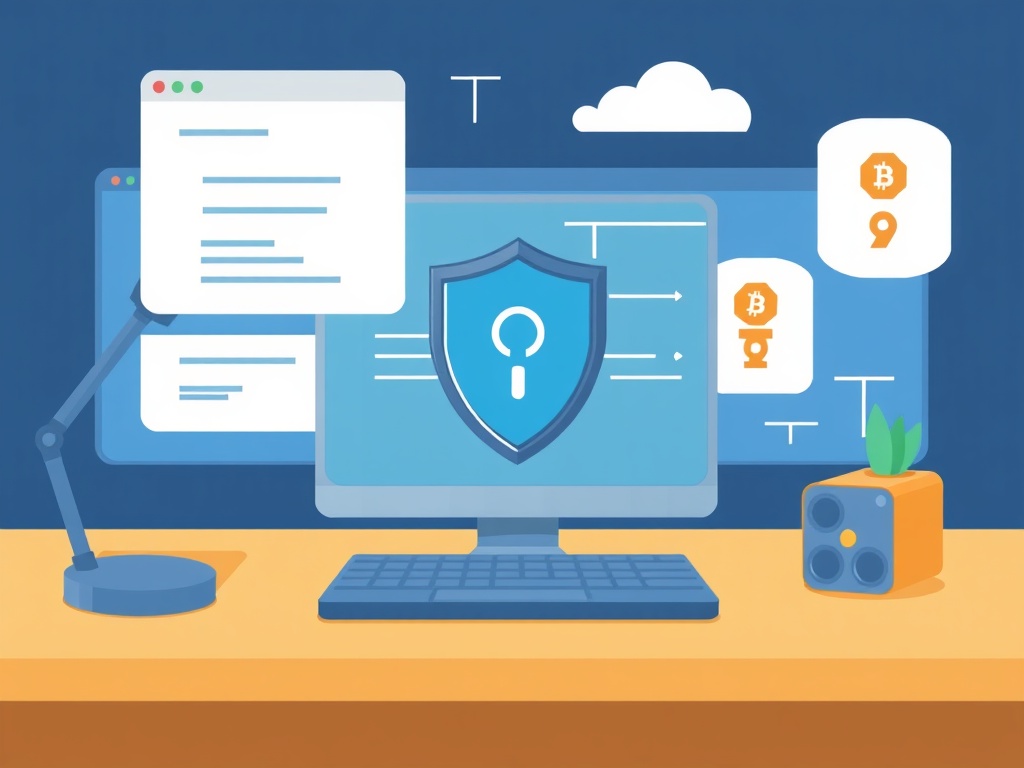
Understanding the Private Crypto Marketplace: A Comprehensive Guide
The digital asset landscape has evolved dramatically over the past decade, with cryptocurrency adoption reaching unprecedented levels. As more individuals and institutions embrace blockchain technology, the demand for secure, discreet, and efficient trading environments has grown significantly. This has led to the emergence and expansion of the private crypto marketplace, a specialized ecosystem designed to facilitate confidential cryptocurrency transactions while maintaining the highest standards of security and privacy.
What Defines a Private Crypto Marketplace?
A private crypto marketplace represents a sophisticated trading environment that prioritizes user confidentiality, transaction privacy, and enhanced security measures beyond what traditional exchanges offer. These platforms operate on the principle that financial privacy is a fundamental right, providing users with tools and protocols that shield their trading activities from public scrutiny while maintaining regulatory compliance where necessary.
Unlike conventional cryptocurrency exchanges that operate on public ledgers with transparent order books, private marketplaces employ advanced cryptographic techniques, zero-knowledge proofs, and confidential transaction protocols to ensure that trading details remain between the involved parties. This approach addresses growing concerns about surveillance, data harvesting, and the potential misuse of transaction information by third parties.
Core Characteristics of Private Trading Platforms
The defining features of a private crypto marketplace include end-to-end encryption of all communications, anonymous or pseudonymous user registration processes, confidential order matching systems, and the implementation of privacy-preserving blockchain protocols. These platforms typically utilize technologies such as ring signatures, stealth addresses, and confidential transactions to obscure the links between senders and recipients while still maintaining the integrity and verifiability of the blockchain.
Additionally, these marketplaces often incorporate decentralized architecture, reducing single points of failure and minimizing the risk of data breaches. The governance models tend to emphasize community participation and democratic decision-making, ensuring that privacy remains a core value rather than an afterthought.
The Technology Behind Private Crypto Marketplaces
The technological foundation of a private crypto marketplace relies on a sophisticated combination of cryptographic innovations and blockchain advancements. At the heart of these systems lies zero-knowledge proof technology, which allows one party to prove to another that a statement is true without revealing any information beyond the validity of the statement itself.
Cryptographic Protocols and Privacy Layers
Modern private marketplaces implement multiple layers of cryptographic protection. Ring Confidential Transactions (RingCT) obscure transaction amounts while ring signatures hide the actual sender among a group of potential signers. Confidential Assets protocols enable the creation and transfer of tokens without revealing their type or quantity to outside observers. These technologies work in concert to create a comprehensive privacy shield around all marketplace activities.
Furthermore, many platforms integrate advanced mixing services and CoinJoin implementations directly into their architecture, allowing users to combine multiple transactions into a single, indistinguishable transaction. This makes it exponentially more difficult for blockchain analysts to trace the flow of funds or identify specific trading patterns.
Decentralized Infrastructure and Security Measures
The infrastructure supporting a private crypto marketplace typically employs distributed node networks, multi-signature wallets, and hardware security modules to protect user assets and data. These systems are designed to resist various attack vectors, including Sybil attacks, eclipse attacks, and man-in-the-middle interceptions. The decentralized nature ensures that no single entity has complete control over the platform or access to comprehensive user data.
Many platforms also implement time-locked transactions, multi-factor authentication, and biometric verification systems to add additional security layers. The combination of these technologies creates a robust defense against both external threats and internal vulnerabilities.
Benefits and Advantages of Private Marketplaces
The adoption of a private crypto marketplace offers numerous advantages for users seeking enhanced privacy and security in their cryptocurrency transactions. These benefits extend beyond simple anonymity to encompass financial sovereignty, reduced exposure to market manipulation, and protection against various forms of financial surveillance.
Enhanced Privacy and Financial Sovereignty
Users of private marketplaces gain unprecedented control over their financial information and transaction history. This level of privacy enables individuals to conduct business without fear of judgment, discrimination, or unwanted attention. For businesses, this translates to competitive advantages as trade secrets, pricing strategies, and partnership arrangements remain confidential.
The concept of financial sovereignty is particularly relevant in regions with restrictive financial regulations or unstable economic conditions. A private crypto marketplace provides users with the ability to manage their wealth independently of traditional banking systems and governmental oversight, offering a degree of economic freedom that was previously unattainable.
Protection Against Market Manipulation
Traditional cryptocurrency exchanges are vulnerable to various forms of market manipulation, including front-running, wash trading, and whale manipulation. Private marketplaces address these issues through confidential order books and randomized matching algorithms that prevent sophisticated traders from gaining unfair advantages through information asymmetry.
The privacy features also protect users from targeted attacks based on their trading patterns or holdings. By obscuring transaction details and wallet addresses, these platforms make it significantly more difficult for malicious actors to identify and exploit wealthy individuals or institutions.
Challenges and Considerations
While the benefits of a private crypto marketplace are substantial, users and operators must navigate several challenges and considerations. These include regulatory compliance issues, technical complexity, liquidity concerns, and the ongoing arms race between privacy technologies and blockchain analysis firms.
Regulatory Landscape and Compliance
The regulatory environment surrounding private cryptocurrency marketplaces remains complex and often contradictory. While privacy is a fundamental right, many jurisdictions have implemented strict Know Your Customer (KYC) and Anti-Money Laundering (AML) requirements that can conflict with the core principles of privacy-focused platforms. Operators must carefully balance compliance requirements with their commitment to user privacy.
Some jurisdictions have taken aggressive stances against privacy-enhancing technologies, viewing them as potential tools for illicit activities. This has led to delistings of privacy coins from major exchanges and increased scrutiny of platforms offering confidential transaction services. However, many advocates argue that privacy is essential for legitimate users and that proper regulation should focus on behavior rather than technology.
Technical Complexity and User Experience
The sophisticated technology underlying a private crypto marketplace can present significant barriers to entry for less technically savvy users. The implementation of advanced cryptographic protocols, while essential for privacy, often results in more complex user interfaces and longer transaction confirmation times. This complexity can deter mainstream adoption and limit the platform's growth potential.
Additionally, the maintenance and upgrading of privacy protocols require ongoing technical expertise and resources. As blockchain analysis techniques become more sophisticated, privacy platforms must continuously evolve their security measures to maintain their protective capabilities.
Popular Private Crypto Marketplace Solutions
The market for private cryptocurrency trading solutions has expanded rapidly, with various platforms offering different approaches to privacy and security. These range from fully decentralized exchanges to hybrid models that combine elements of traditional and privacy-focused trading environments.
Decentralized Exchange Models
Several decentralized exchanges have emerged that prioritize privacy through their architectural design. These platforms typically operate without central servers, using peer-to-peer networking and atomic swaps to facilitate direct wallet-to-wallet transactions. Examples include platforms that utilize the 0x protocol with privacy extensions, as well as those built on privacy-focused blockchains like Monero or Zcash.
These decentralized models offer the highest level of privacy but often face challenges with liquidity and user experience. The trade-off between privacy and convenience remains a central consideration for users evaluating different platform options.
Hybrid and Specialized Platforms
Hybrid platforms represent a middle ground, offering enhanced privacy features while maintaining some of the convenience and liquidity of traditional exchanges. These platforms might implement confidential transactions for certain asset pairs while maintaining transparent trading for others, allowing users to choose their preferred level of privacy based on their specific needs.
Specialized platforms focus on particular aspects of private trading, such as over-the-counter (OTC) transactions, institutional-grade privacy solutions, or privacy-preserving derivatives trading. These niche platforms often provide the most sophisticated privacy features but may have limited asset coverage or higher minimum transaction requirements.
Future Trends and Developments
The evolution of the private crypto marketplace continues at a rapid pace, with new technologies and approaches emerging regularly. Several key trends are likely to shape the future of private cryptocurrency trading, including the integration of artificial intelligence for enhanced privacy protection, the development of cross-chain privacy solutions, and the increasing adoption of privacy-preserving smart contracts.
Artificial Intelligence and Privacy Enhancement
AI and machine learning technologies are being integrated into privacy platforms to enhance their protective capabilities. These systems can analyze transaction patterns in real-time to identify potential privacy leaks or suspicious activities, automatically implementing countermeasures to maintain user confidentiality. Additionally, AI can optimize transaction routing and mixing strategies to maximize privacy while minimizing costs and delays.
The application of homomorphic encryption and secure multi-party computation allows AI systems to analyze encrypted data without decrypting it, preserving privacy while enabling sophisticated analysis and optimization of trading strategies.
Cross-Chain Privacy Solutions
As the cryptocurrency ecosystem becomes increasingly interconnected, the need for cross-chain privacy solutions has become more apparent. Technologies like atomic swaps, wrapped tokens, and interoperability protocols are being enhanced with privacy features to enable confidential transactions across different blockchain networks. This development will significantly expand the utility and accessibility of private trading platforms.
The emergence of layer-2 scaling solutions with built-in privacy features also promises to address current limitations around transaction speed and cost while maintaining the highest standards of confidentiality.
Best Practices for Using Private Marketplaces
For users considering participation in a private crypto marketplace, several best practices can help maximize privacy benefits while minimizing potential risks. These guidelines encompass technical security measures, operational security practices, and strategic considerations for different use cases.
Technical Security Measures
Users should implement comprehensive security practices, including the use of hardware wallets for storing large amounts, regular security audits of their devices and software, and the implementation of strong, unique passwords combined with two-factor authentication where available. The use of virtual private networks (VPNs) and Tor networks can provide additional layers of network-level privacy.
Regular updates of all software components, including wallet applications and operating systems, are essential to protect against newly discovered vulnerabilities. Users should also maintain multiple wallet addresses and avoid address reuse to minimize the potential for transaction linking.
Operational Security and Privacy Hygiene
Beyond technical measures, users must practice good operational security by being mindful of information sharing, avoiding public discussions of trading activities, and being cautious about the metadata associated with their transactions. This includes being aware of IP address exposure, timing patterns, and the potential for social engineering attacks.
The principle of compartmentalization is particularly important in private trading. Users should maintain separate identities, wallets, and trading strategies for different purposes, ensuring that activities in one area cannot be linked to activities in another.
Conclusion: The Evolving Landscape of Private Crypto Trading
The private crypto marketplace represents a crucial evolution in the cryptocurrency ecosystem, addressing fundamental concerns about privacy, security, and financial sovereignty. As these platforms continue to mature and evolve, they offer users unprecedented control over their financial information while maintaining the benefits of blockchain technology.
The ongoing development of privacy-enhancing technologies, combined with increasing user awareness and demand for confidential trading solutions, suggests that private marketplaces will play an increasingly important role in the future of cryptocurrency trading. While challenges remain, particularly in the areas of regulation and technical complexity, the fundamental value proposition of privacy in financial transactions ensures continued innovation and adoption in this space.
As the technology matures and regulatory frameworks evolve, users can expect to see more sophisticated, user-friendly, and compliant private trading solutions emerge. The key for both users and platform operators will be finding the right balance between privacy protection, regulatory compliance, and practical usability to create sustainable and effective trading environments for the future.

Private Crypto Marketplace: A Strategic Investment Perspective
As a cryptocurrency investment advisor with over a decade of experience, I've observed the evolution of private crypto marketplaces and their growing significance in the digital asset ecosystem. These platforms offer a unique value proposition by providing enhanced privacy, reduced transaction fees, and access to exclusive digital assets that aren't available on public exchanges. For sophisticated investors, private crypto marketplaces represent an opportunity to diversify portfolios and potentially access early-stage projects before they hit mainstream markets.
However, it's crucial to approach private crypto marketplaces with a balanced perspective. While they offer numerous advantages, they also come with inherent risks that require careful consideration. The lack of regulatory oversight and transparency can expose investors to potential fraud or market manipulation. As an advisor, I always emphasize the importance of thorough due diligence, including verifying the platform's security measures, understanding the team behind the marketplace, and assessing the liquidity of listed assets. Additionally, investors should be aware of the tax implications and reporting requirements associated with transactions on these platforms, as they may differ from those of public exchanges.
From a strategic standpoint, private crypto marketplaces can be a valuable tool for portfolio optimization when used judiciously. They are particularly well-suited for high-net-worth individuals and institutional investors who have the resources to conduct comprehensive research and manage the associated risks. For retail investors, I recommend starting with smaller allocations and gradually increasing exposure as they become more familiar with the platform's dynamics. Ultimately, the decision to participate in a private crypto marketplace should align with your overall investment goals, risk tolerance, and long-term strategy in the cryptocurrency space.