The cryptocurrency landscape has been significantly altered by the Tornado Cash sanctions imposed by regulatory authorities. This comprehensive analysis explores the implications, controversies, and ongoing developments surrounding these sanctions that have sent shockwaves through the crypto community.
The Origins of Tornado Cash Sanctions
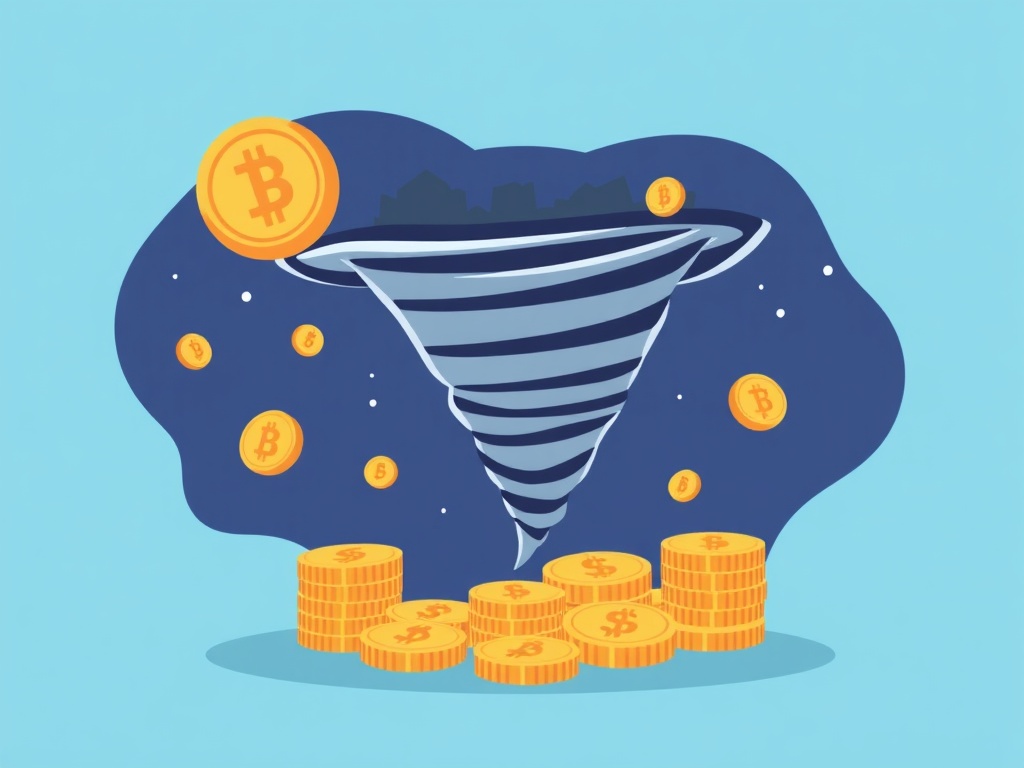
Tornado Cash, a decentralized cryptocurrency mixing service, gained prominence for providing users with enhanced privacy for their Ethereum transactions. The service operated on the principle of breaking the on-chain link between sender and receiver addresses, offering users a degree of financial privacy that many considered essential in the digital age.
The Tornado Cash sanctions were officially implemented in August 2022 when the U.S. Treasury Department's Office of Foreign Assets Control (OFAC) added the protocol to its Specially Designated Nationals (SDN) list. This unprecedented move marked the first time a piece of decentralized software had been sanctioned, raising fundamental questions about the nature of decentralization and regulatory authority in the cryptocurrency space.
The Regulatory Rationale
According to OFAC, the Tornado Cash sanctions were imposed due to the protocol's alleged use by malicious actors to launder billions of dollars in stolen funds. The Treasury Department specifically cited instances where North Korean state-sponsored hackers and various ransomware groups had utilized the service to obscure the origins of illicitly obtained cryptocurrency.
The regulatory argument centered on the premise that while privacy tools have legitimate uses, Tornado Cash had become a preferred method for cybercriminals to evade detection and monetize their activities. This perspective framed the sanctions as a necessary measure to protect the integrity of the financial system and national security interests.
Technical and Legal Implications
The implementation of Tornado Cash sanctions created a complex web of technical and legal challenges that continue to reverberate throughout the cryptocurrency ecosystem. The sanctions effectively made it illegal for U.S. persons to interact with the protocol's smart contracts, creating a precedent that has far-reaching implications for decentralized finance.
Smart Contract Sanctioning
One of the most controversial aspects of the Tornado Cash sanctions was the decision to target immutable smart contracts rather than individuals or organizations. This approach raised fundamental questions about the nature of decentralization and whether code could be considered a form of speech protected under the First Amendment.
The technical community argued that sanctioning autonomous smart contracts set a dangerous precedent, as these contracts cannot be modified or shut down by their creators. This characteristic, which is fundamental to the security and trustlessness of blockchain technology, suddenly became a liability in the eyes of regulators.
Impact on DeFi Ecosystem
The Tornado Cash sanctions sent shockwaves through the broader decentralized finance ecosystem, causing many projects to reevaluate their approach to privacy and compliance. Several decentralized applications preemptively blocked addresses associated with Tornado Cash transactions, while others began implementing more robust know-your-customer (KYC) procedures.
This ripple effect highlighted the interconnected nature of the DeFi ecosystem and the challenges of maintaining true decentralization in the face of regulatory pressure. Many projects found themselves walking a tightrope between preserving the privacy features that made them valuable and avoiding regulatory scrutiny that could threaten their existence.
Community Response and Legal Challenges
The cryptocurrency community's response to the Tornado Cash sanctions was swift and multifaceted, ranging from legal challenges to technical workarounds and philosophical debates about the nature of privacy in the digital age.
Legal Challenges
Several organizations and individuals filed lawsuits challenging the legality and constitutionality of the Tornado Cash sanctions. These legal challenges argued that the sanctions were overly broad, violated free speech protections, and exceeded the Treasury Department's statutory authority.
The Electronic Frontier Foundation (EFF) and the Coin Center, among others, have been at the forefront of these legal battles, arguing that the sanctions effectively criminalized the use of open-source software and set a dangerous precedent for innovation in the cryptocurrency space.
Technical Workarounds
In response to the Tornado Cash sanctions, the cryptocurrency community has developed various technical workarounds to maintain access to privacy-preserving services. These include the creation of front-end interfaces hosted in jurisdictions outside U.S. regulatory reach and the development of alternative mixing protocols that incorporate compliance features.
Some developers have also explored the possibility of creating "compliance layers" that would allow mixing services to operate while providing regulators with the ability to trace transactions under specific circumstances, such as court orders or national security concerns.
Economic and Market Impact
The Tornado Cash sanctions have had significant economic implications for both the cryptocurrency market and the broader financial technology sector. The immediate impact was felt in the price of Ether and other privacy-focused cryptocurrencies, which experienced substantial volatility following the announcement of the sanctions.
Market Volatility
In the days following the implementation of the Tornado Cash sanctions, the cryptocurrency market experienced heightened volatility, with privacy coins and tokens associated with mixing services seeing particularly sharp price movements. This market reaction reflected the uncertainty surrounding the future of privacy-preserving technologies in the cryptocurrency space.
Investors and traders grappled with the implications of the sanctions, leading to increased trading volume and price fluctuations as market participants reassessed their positions and strategies in light of the new regulatory landscape.
Institutional Adoption
The Tornado Cash sanctions have also influenced institutional adoption of cryptocurrency technologies. Many traditional financial institutions, which were already cautious about entering the cryptocurrency space, have become even more hesitant due to the increased regulatory scrutiny and potential legal liabilities associated with privacy-preserving technologies.
This hesitancy has slowed the pace of institutional adoption and investment in certain areas of the cryptocurrency ecosystem, particularly those focused on privacy and anonymity features. However, it has also spurred innovation in compliance-focused privacy solutions that aim to balance regulatory requirements with user privacy needs.
Future Implications and Industry Evolution
The Tornado Cash sanctions represent a pivotal moment in the evolution of cryptocurrency regulation and the ongoing tension between privacy and compliance. As the industry continues to mature, the lessons learned from this experience will likely shape the development of future privacy-preserving technologies and regulatory frameworks.
Regulatory Precedent
The approach taken with the Tornado Cash sanctions has established a regulatory precedent that could be applied to other decentralized protocols and privacy-focused technologies. This precedent raises important questions about the future of innovation in the cryptocurrency space and the balance between regulatory oversight and technological advancement.
Industry observers are closely watching how regulators apply the lessons learned from the Tornado Cash case to other privacy-preserving technologies, including zero-knowledge proofs, confidential transactions, and other cryptographic techniques that offer varying degrees of privacy and anonymity.
Technological Innovation
In response to the Tornado Cash sanctions, developers and researchers are exploring new approaches to privacy-preserving technologies that incorporate compliance features from the ground up. These efforts aim to create solutions that can satisfy both user privacy needs and regulatory requirements, potentially leading to a new generation of compliant privacy tools.
Some of the most promising developments include selective disclosure mechanisms, audit trails that can be revealed under specific circumstances, and privacy-preserving compliance layers that allow for regulatory oversight without compromising the fundamental privacy features of the technology.
Conclusion
The Tornado Cash sanctions have fundamentally altered the landscape of cryptocurrency privacy and regulation, creating a complex web of technical, legal, and economic challenges. As the industry continues to evolve, the lessons learned from this experience will shape the future of privacy-preserving technologies and the ongoing dialogue between innovation and regulation.
The ultimate resolution of the issues raised by the Tornado Cash sanctions will likely require a delicate balance between preserving the privacy features that make cryptocurrency valuable to many users and addressing the legitimate concerns of regulators and law enforcement agencies. As this balance is struck, the cryptocurrency industry will continue to mature and adapt, potentially leading to new paradigms of privacy, compliance, and financial freedom in the digital age.

Tornado Cash Sanctions: Implications for Blockchain Privacy and Compliance
As the Blockchain Research Director at a leading fintech firm, I've been closely monitoring the recent Tornado Cash sanctions and their far-reaching implications for the cryptocurrency ecosystem. These sanctions represent a significant shift in how regulatory bodies approach privacy-focused blockchain tools, marking a pivotal moment in the ongoing dialogue between innovation and compliance. The decision to sanction a smart contract-based service like Tornado Cash raises complex questions about the nature of decentralized technology and the extent of regulatory reach in the digital asset space.
From my perspective, the Tornado Cash sanctions highlight the urgent need for the blockchain industry to develop more robust compliance frameworks that can coexist with privacy-preserving technologies. While I understand the regulatory concerns about potential misuse of privacy tools, it's crucial to recognize that legitimate users also rely on such services for protecting their financial privacy. Moving forward, I believe we need to focus on creating solutions that balance privacy rights with regulatory requirements, perhaps through advanced cryptographic techniques or selective disclosure mechanisms. The industry must work collaboratively with regulators to establish clear guidelines that protect both innovation and compliance, ensuring that privacy tools can continue to evolve while addressing legitimate security concerns.