Lightning payment routing represents a fundamental component of the Lightning Network, enabling fast and cost-effective Bitcoin transactions. This innovative technology has revolutionized how users conduct micropayments and everyday transactions on the Bitcoin blockchain.
How Lightning Payment Routing Works
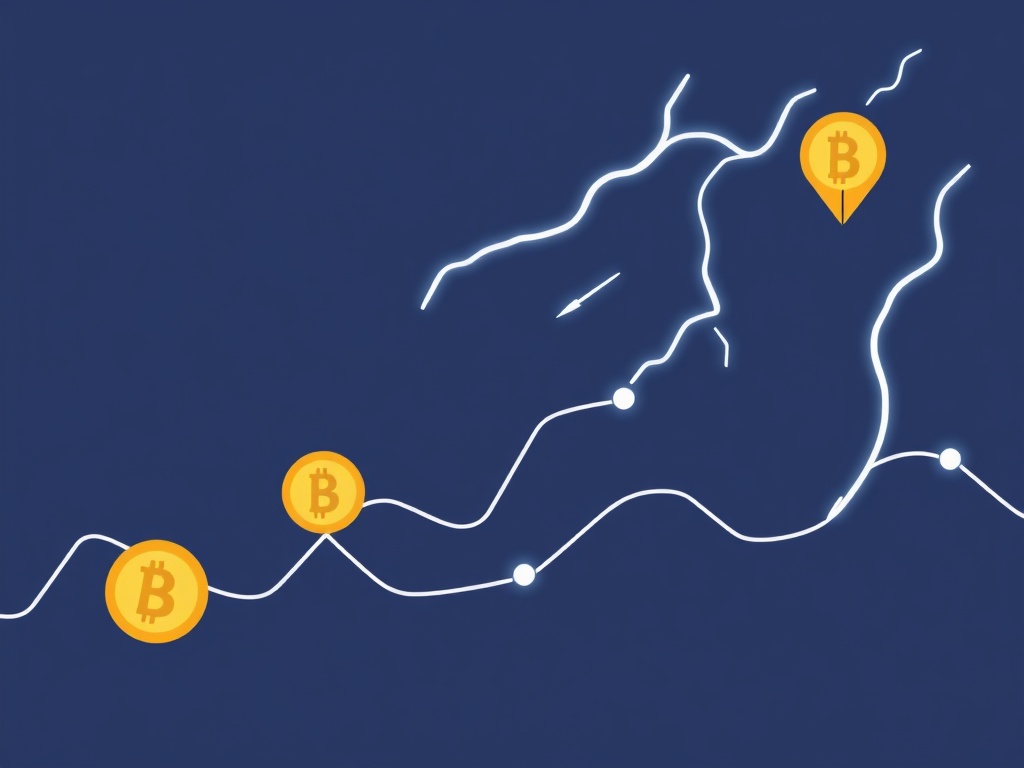
Lightning payment routing operates through a complex network of payment channels that connect Bitcoin users. When someone initiates a Lightning payment, the system automatically determines the most efficient path for the transaction to reach its destination.
The Role of Payment Channels
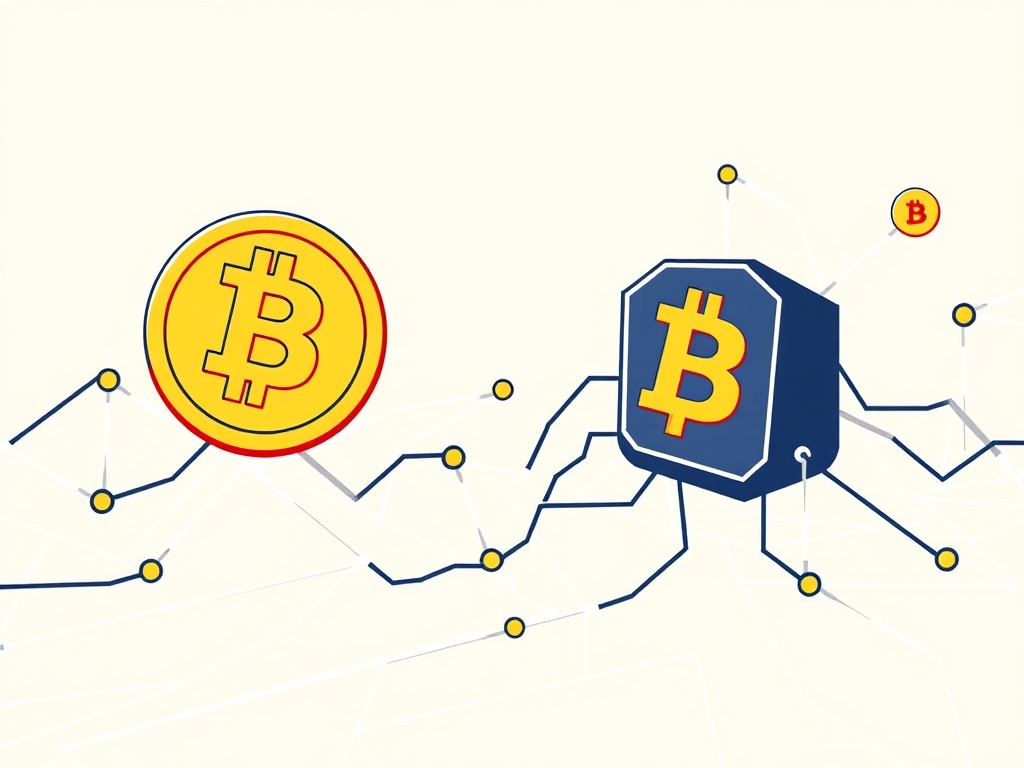
Payment channels form the backbone of Lightning payment routing. These channels are essentially private connections between two parties that allow them to exchange Bitcoin without broadcasting every transaction to the main blockchain. Multiple payment channels interconnect to create a vast network that facilitates routing.
Path Finding Algorithms
Advanced algorithms power Lightning payment routing by identifying optimal paths between sender and receiver. These algorithms consider various factors including channel capacity, fees, and network congestion to determine the most efficient route for each transaction.
Key Components of Lightning Payment Routing
Several essential elements work together to make Lightning payment routing possible and efficient.
Nodes and Channels
Nodes serve as connection points in the Lightning Network, while channels represent the links between these nodes. Each node maintains multiple channels, creating a robust network infrastructure that supports Lightning payment routing.
Routing Tables
Nodes maintain routing tables that contain information about available channels and their capacities. These tables are continuously updated to reflect the current state of the network, ensuring accurate Lightning payment routing decisions.
Benefits of Lightning Payment Routing
The implementation of Lightning payment routing has brought numerous advantages to Bitcoin users and the broader cryptocurrency ecosystem.
Speed and Efficiency
Lightning payment routing enables near-instantaneous transactions, significantly faster than traditional Bitcoin transactions. This speed makes it ideal for everyday purchases and microtransactions.
Cost Reduction
By utilizing Lightning payment routing, users can avoid high transaction fees associated with on-chain Bitcoin transactions. This cost-effectiveness makes small transactions economically viable.
Challenges in Lightning Payment Routing
Despite its advantages, Lightning payment routing faces several challenges that developers continue to address.
Network Liquidity
Maintaining sufficient liquidity across payment channels remains a significant challenge for Lightning payment routing. Nodes must ensure they have enough Bitcoin in their channels to facilitate transactions.
Route Reliability
Ensuring reliable routes for Lightning payment routing can be challenging, especially during periods of high network activity or when channels become imbalanced.
Future Developments in Lightning Payment Routing
The technology behind Lightning payment routing continues to evolve, with new improvements and features being developed regularly.
Enhanced Algorithms
Researchers are working on more sophisticated algorithms to improve Lightning payment routing efficiency and reliability. These advancements aim to make the network more robust and user-friendly.
Network Expansion
As more users and businesses adopt the Lightning Network, Lightning payment routing will become more efficient due to increased network density and better-connected channels.
Best Practices for Using Lightning Payment Routing
Users can optimize their experience with Lightning payment routing by following certain best practices.
Channel Management
Proper channel management is crucial for effective Lightning payment routing. Users should maintain adequate channel capacity and monitor their payment channels regularly.
Fee Optimization
Understanding and optimizing fees associated with Lightning payment routing can help users minimize costs while maintaining transaction speed.
Security Considerations
Security remains a paramount concern in Lightning payment routing, and various measures are in place to protect users.
Payment Hash Security
Lightning payment routing employs cryptographic hash functions to secure payments and ensure they reach their intended destination.
Channel Security
Security measures are implemented at the channel level to protect against potential attacks and ensure the integrity of Lightning payment routing.
Integration with Existing Systems
Lightning payment routing is increasingly being integrated with existing payment systems and platforms.
Merchant Adoption
More merchants are incorporating Lightning payment routing into their payment systems, making it easier for customers to use Bitcoin for everyday transactions.
Wallet Support
Wallet providers are continuously improving their support for Lightning payment routing, making it more accessible to average users.
Impact on Bitcoin Ecosystem
Lightning payment routing has significantly influenced the broader Bitcoin ecosystem.
Scalability Solutions
Lightning payment routing has contributed to solving Bitcoin's scalability challenges by enabling off-chain transactions.
Adoption Growth
The efficiency of Lightning payment routing has contributed to increased Bitcoin adoption for everyday transactions.
Technical Requirements
Implementing Lightning payment routing requires specific technical infrastructure and capabilities.
Node Requirements
Running a node for Lightning payment routing requires certain hardware and software specifications to ensure optimal performance.
Network Connectivity
Reliable internet connectivity is essential for effective Lightning payment routing, as nodes need to communicate constantly with each other.
Common Use Cases
Lightning payment routing enables various practical applications in the cryptocurrency space.
Microtransactions
The efficiency of Lightning payment routing makes it ideal for microtransactions that would be impractical using traditional Bitcoin transactions.
Cross-border Payments
Lightning payment routing facilitates fast and cost-effective international payments, bypassing traditional banking systems.
Future Prospects
The future of Lightning payment routing looks promising, with ongoing developments and improvements.
Technological Advancements
Continued technological advancements will likely make Lightning payment routing even more efficient and user-friendly.
Market Growth
As more users and businesses adopt Lightning payment routing, the network will become more robust and capable of handling increased transaction volumes.
Lightning payment routing continues to evolve and improve, playing a crucial role in making Bitcoin more practical for everyday use. As the technology matures and adoption grows, it will likely become an increasingly important component of the cryptocurrency ecosystem.

Lightning Payment Routing: Optimizing Transaction Efficiency in the Bitcoin Network
As a Digital Assets Strategist with extensive experience in both traditional finance and cryptocurrency markets, I have closely monitored the evolution of Lightning payment routing as a critical component of Bitcoin's scalability solution. The Lightning Network represents a significant advancement in addressing Bitcoin's transaction throughput limitations, enabling near-instantaneous payments with minimal fees. My quantitative background has allowed me to analyze the network's performance metrics and identify key factors that influence routing efficiency.
Through on-chain analytics and market microstructure analysis, I have observed that successful Lightning payment routing depends on several interconnected variables, including channel liquidity, node connectivity, and fee structures. The network's ability to find optimal payment paths while maintaining decentralization presents both opportunities and challenges for users and operators. From a portfolio optimization perspective, understanding these routing dynamics is essential for institutions looking to integrate Lightning payments into their operations, as it directly impacts transaction costs and settlement times.
My research indicates that the future of Lightning payment routing will likely involve more sophisticated algorithms and potentially the integration of machine learning to predict optimal routes in real-time. As the network continues to mature, we can expect improvements in both the user experience and the underlying infrastructure. For practitioners in the digital assets space, staying informed about these developments is crucial for maintaining competitive advantage and ensuring efficient capital allocation in an increasingly interconnected financial ecosystem.