In the evolving world of cryptocurrency, privacy and security have become paramount concerns for users engaging in digital asset exchanges. Among the various blockchain networks, Solana (SOL) has emerged as a high-performance platform that offers fast transactions and low fees. However, as with any public blockchain, transaction details remain visible on the network, prompting many users to seek enhanced privacy solutions. This is where the concept of a private SOL swap comes into play, offering users a way to exchange their SOL tokens while maintaining confidentiality.
What is a Private SOL Swap?
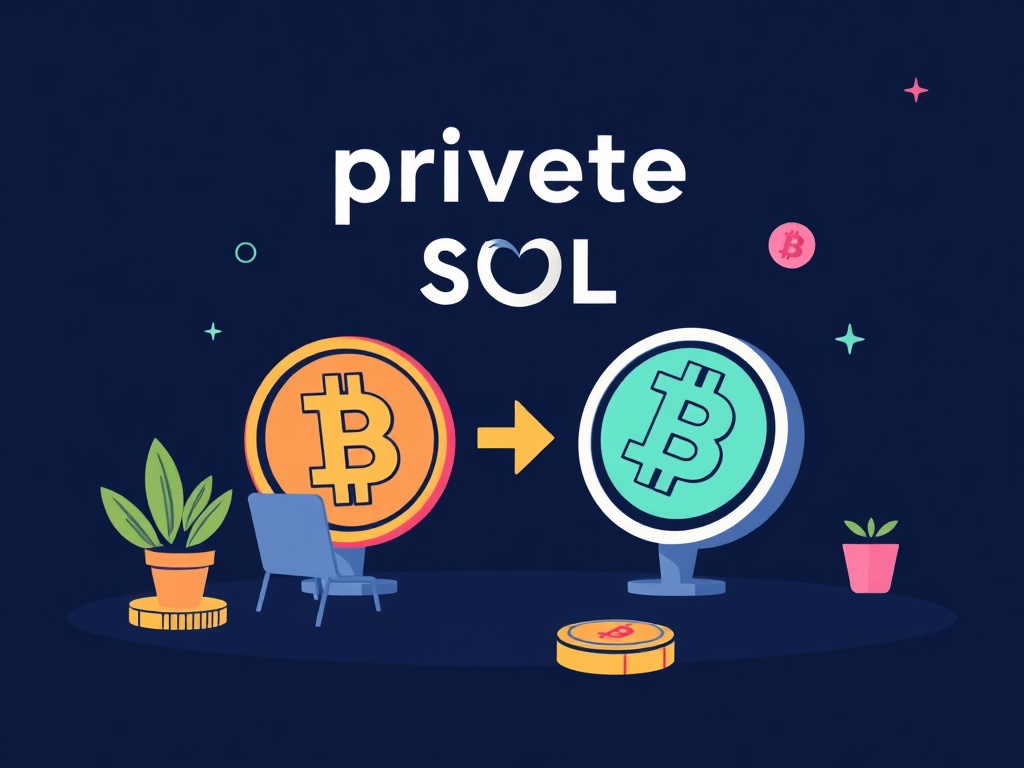
A private SOL swap refers to the process of exchanging Solana tokens through mechanisms that obscure transaction details, providing users with enhanced privacy. Unlike standard swaps on centralized exchanges or public decentralized exchanges (DEXs), private swaps utilize specialized protocols and services designed to break the on-chain link between the sender and receiver addresses.
The primary goal of a private SOL swap is to protect user privacy by preventing third parties from tracing the flow of funds. This is particularly important for users who value financial confidentiality, whether for personal security reasons or to maintain competitive business advantages in the crypto space.
How Private SOL Swaps Differ from Regular Swaps
Traditional SOL swaps typically occur on public DEXs like Raydium or Serum, where transaction details are visible on the Solana blockchain explorer. Anyone can view the transaction history, including wallet addresses, amounts, and timestamps. In contrast, a private SOL swap employs various privacy-enhancing techniques to obscure these details.
The key differences include:
- Anonymity level: Private swaps offer significantly higher anonymity compared to standard exchanges
- Transaction visibility: While regular swaps are fully transparent, private swaps minimize on-chain footprints
- Privacy mechanisms: Private swaps utilize advanced cryptographic techniques to protect user identities
Why Users Seek Private SOL Swaps
The demand for private SOL swap services has grown substantially as cryptocurrency adoption increases. Several factors drive this demand, ranging from personal privacy concerns to practical security considerations.
Privacy Concerns in the Crypto Space
Despite the pseudonymous nature of blockchain transactions, sophisticated analysis techniques can often deanonymize users by tracking patterns and linking addresses. This vulnerability has led many crypto enthusiasts to seek private SOL swap solutions that offer genuine privacy protection.
Financial privacy is a fundamental right that many users wish to exercise in their cryptocurrency transactions. Whether protecting personal wealth information from potential threats or simply maintaining confidentiality in financial matters, private SOL swap services address these legitimate concerns.
Security Considerations
Public transaction records can expose users to various security risks, including targeted attacks, phishing attempts, and even physical threats in extreme cases. By utilizing a private SOL swap, users can significantly reduce their exposure to such risks by breaking the link between their identity and their on-chain activities.
Additionally, businesses operating in the crypto space often require confidential transactions to protect trade secrets, partnership details, and competitive strategies. A private SOL swap provides the necessary privacy layer for these commercial applications.
How Private SOL Swaps Work
Understanding the technical mechanisms behind private SOL swap services helps users make informed decisions about their privacy needs. These services employ various cryptographic and protocol-level techniques to achieve transaction privacy.
Mixing Protocols and CoinJoin Technology
Many private SOL swap services utilize mixing protocols similar to CoinJoin, which was originally developed for Bitcoin privacy. These protocols work by combining multiple users' transactions into a single pooled transaction, making it extremely difficult to determine which input corresponds to which output.
The process typically involves:
- Multiple users submit their SOL tokens to a common pool
- The protocol creates a joint transaction with mixed inputs and outputs
- Users receive equivalent amounts of SOL from the pool, but the on-chain link to their original transaction is broken
Zero-Knowledge Proofs and Advanced Cryptography
More sophisticated private SOL swap solutions leverage zero-knowledge proofs (ZKPs) and other advanced cryptographic techniques. These methods allow the verification of transaction validity without revealing any underlying information about the transaction itself.
ZK-SNARKS and ZK-STARKS are examples of zero-knowledge proof systems that can be implemented in private SOL swap protocols, providing mathematical guarantees of privacy while maintaining the integrity of the transaction process.
Popular Private SOL Swap Services
The market for private SOL swap services has expanded as privacy concerns grow within the crypto community. Several platforms and protocols now offer specialized solutions for private SOL transactions.
Decentralized Privacy Protocols
Several decentralized protocols have emerged that integrate privacy features directly into their swap mechanisms. These platforms typically operate as non-custodial services, meaning users maintain control of their private keys throughout the process.
Examples include privacy-focused DEXs that implement confidential transaction features, allowing users to perform private SOL swap operations without relying on centralized intermediaries. These protocols often utilize smart contracts deployed on the Solana blockchain to automate the privacy-preserving swap process.
Specialized Mixing Services
Several platforms specialize specifically in providing private SOL swap services through coin mixing and other privacy techniques. These services typically charge a fee for their privacy-enhancing features and may offer different levels of privacy guarantees depending on the user's requirements.
When selecting a mixing service for private SOL swap operations, users should consider factors such as the service's reputation, fee structure, privacy guarantees, and the technical implementation of their privacy features.
Benefits and Limitations of Private SOL Swaps
While private SOL swap services offer significant advantages for privacy-conscious users, they also come with certain limitations and considerations that users should understand before utilizing these services.
Advantages of Private SOL Swaps
The primary benefit of a private SOL swap is enhanced financial privacy. By obscuring transaction details, these services help protect users from unwanted surveillance, whether from corporations, governments, or malicious actors. This privacy protection extends to both personal security and commercial confidentiality.
Additionally, private SOL swap services can help users maintain separation between different aspects of their financial activities. For instance, a user might want to keep their trading activities separate from their personal transactions, which a private swap can facilitate.
Potential Drawbacks and Considerations
One limitation of private SOL swap services is that they typically involve additional fees compared to standard swaps. These fees compensate for the privacy-enhancing infrastructure and may vary depending on the specific service and the level of privacy desired.
Another consideration is that some jurisdictions have regulatory concerns about privacy-enhancing cryptocurrency services. Users should be aware of the legal landscape in their jurisdiction before utilizing private SOL swap services, as regulations continue to evolve in this space.
Best Practices for Private SOL Swaps
To maximize the effectiveness of private SOL swap services while minimizing potential risks, users should follow established best practices when engaging in private swaps.
Security Considerations
When performing a private SOL swap, users should ensure they're using reputable services with proven security track records. This includes verifying the service's smart contracts through audits, checking community feedback, and understanding the technical implementation of the privacy features.
Additionally, users should employ proper operational security practices, such as using dedicated wallets for private swap activities, avoiding address reuse, and being cautious about sharing information related to their private swap transactions.
Maximizing Privacy Effectiveness
To achieve optimal privacy through private SOL swap services, users should consider strategies such as timing their transactions to avoid patterns, using appropriate swap amounts that don't stand out, and potentially utilizing multiple privacy techniques in combination.
Understanding the limitations of privacy tools is also crucial. No privacy solution offers perfect anonymity, and users should have realistic expectations about what private SOL swap services can and cannot provide in terms of privacy protection.
The Future of Private SOL Swaps
As privacy concerns continue to grow in the cryptocurrency space, the technology and services surrounding private SOL swap operations are likely to evolve significantly. Several trends are shaping the future of private swaps on the Solana ecosystem.
Technological Advancements
Ongoing developments in zero-knowledge proof technology and other cryptographic primitives are making private SOL swap services more efficient and effective. These advancements are reducing the computational overhead and transaction costs associated with privacy features, making them more accessible to a broader range of users.
Additionally, the integration of privacy features directly into blockchain protocols, rather than as separate overlay services, represents a promising direction for the future of private SOL swap technology. This native integration could provide more seamless and robust privacy guarantees.
Regulatory Landscape
The regulatory environment surrounding private SOL swap services continues to evolve as authorities grapple with balancing privacy rights against concerns about illicit activities. How this regulatory landscape develops will significantly impact the availability and implementation of private swap services.
Users and service providers alike should stay informed about regulatory developments that may affect private SOL swap operations, as compliance requirements may change over time.
Conclusion
The concept of a private SOL swap represents an important development in the cryptocurrency ecosystem, addressing the growing demand for financial privacy in an increasingly transparent digital world. By understanding how these services work, their benefits and limitations, and best practices for their use, Solana users can make informed decisions about their privacy needs.
As technology continues to advance and the regulatory landscape evolves, private SOL swap services will likely become more sophisticated and accessible. For users who value financial privacy, staying informed about these developments and understanding how to effectively utilize privacy tools will remain essential in navigating the cryptocurrency landscape.
Whether for personal security, commercial confidentiality, or simply exercising the right to financial privacy, private SOL swap services offer valuable solutions for Solana users seeking to protect their transactional privacy in an increasingly connected world.

Private SOL Swap: Strategic Considerations for Sophisticated Investors
As a Digital Assets Strategist with extensive experience in both traditional finance and cryptocurrency markets, I've observed the growing interest in private SOL swaps among institutional and high-net-worth investors. These transactions, which involve the exchange of Solana tokens outside of public exchanges, offer unique advantages for those seeking to execute large-volume trades with minimal market impact. The Solana blockchain's high throughput and low transaction costs make it particularly well-suited for such private arrangements, allowing participants to move significant positions efficiently while maintaining discretion.
From a portfolio optimization perspective, private SOL swaps can serve as an effective tool for rebalancing exposure to Solana without triggering substantial price movements that might occur on public exchanges. The ability to negotiate terms directly between parties provides flexibility in structuring deals that align with specific investment objectives. However, it's crucial to implement robust counterparty risk management protocols and ensure compliance with relevant regulatory frameworks. My analysis of on-chain data suggests that successful private swap participants typically employ sophisticated settlement mechanisms and maintain strong relationships within the Solana ecosystem to facilitate these transactions securely and efficiently.